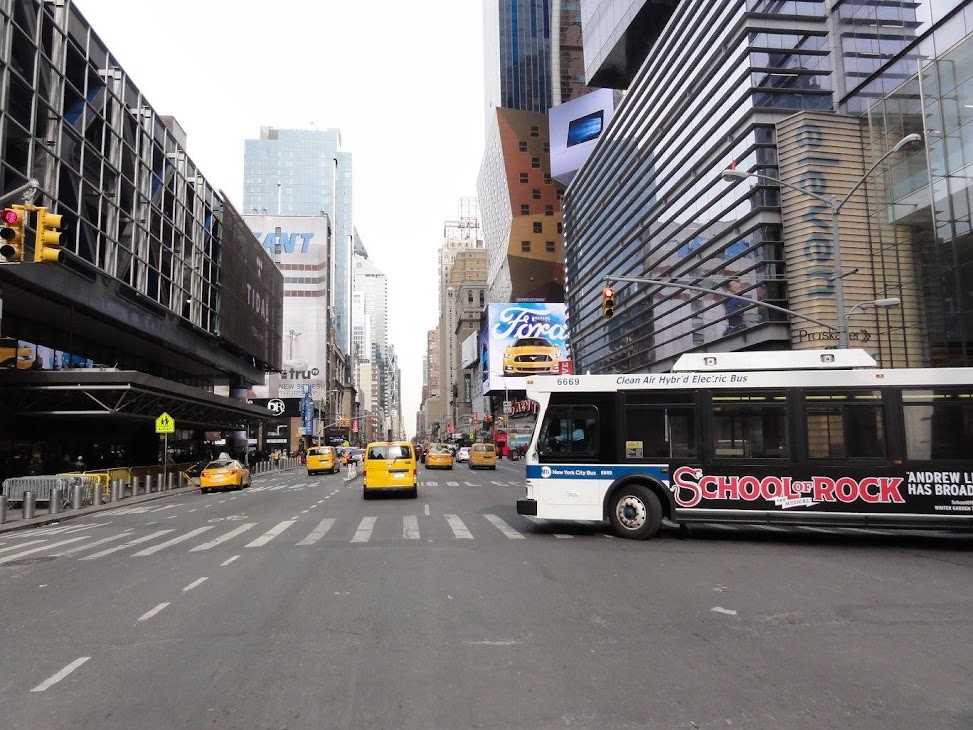

Large vehicles are a familiar sight on Spanish roads, yet many drivers underestimate how differently they behave compared to cars. Trucks and buses are not simply bigger versions of ordinary vehicles. Their size, weight, and design create specific risks that require understanding and respect from everyone sharing the road.
Contents
Blind Spots Are Larger Than You Think
All vehicles have blind spots, but those on trucks and buses are significantly larger and more complex. Areas immediately in front of the cab, alongside the vehicle, and directly behind can be completely invisible to the driver.
Cyclists, pedestrians, and smaller vehicles are especially vulnerable in these zones. A truck driver may not see someone standing just a few metres away, particularly when turning or pulling away from a stop.
Assuming that a driver “must have seen you” is one of the most dangerous assumptions on the road.
Turning Movements Increase Risk
Large vehicles often need to swing wide when turning, especially at junctions and roundabouts. This can bring them unexpectedly close to pavements, cycle lanes, or adjacent lanes.
Other road users should never try to squeeze past a turning truck or bus. If a large vehicle is indicating, staying back and allowing space is the safest option.
Stopping Distances Are Much Longer
Weight matters. A fully loaded truck or bus requires a far greater distance to stop than a car, even at moderate speeds. Weather conditions, downhill gradients, and load distribution can increase this distance further.
Cutting in front of a large vehicle removes its safety margin. What feels like a small gap to a car driver may be completely inadequate for a heavy vehicle.
Why Patience Saves Lives
Many serious incidents involving large vehicles occur because other road users underestimate these limitations. Impatience at junctions, overtaking too closely, or pulling into small gaps all increase risk.
Giving space is not about courtesy alone. It is about recognising physical limits that cannot be overcome by skill or experience.
Shared Roads Require Shared Awareness
Truck and bus drivers carry enormous responsibility, but safety does not rest with them alone. Understanding how large vehicles operate allows everyone else to make safer choices.
Respect the Limits
Blind spots and stopping distances are not flaws. They are inherent characteristics of large vehicles. Respecting those limits is one of the simplest ways to reduce serious collisions and make shared roads safer for everyone.
Discover more from N332.es - Driving In Spain
Subscribe to get the latest posts sent to your email.