Most drivers are confident in their ability to see what is happening around them. Mirrors are adjusted, seats are set, and the road ahead feels clear. Yet blind spots remain one of the most persistent and underestimated causes of collisions, particularly involving cyclists, motorcyclists, and pedestrians.
The danger lies not in what we see, but in what we assume we would see if it were there.
Contents
Blind Spots Exist in Every Vehicle
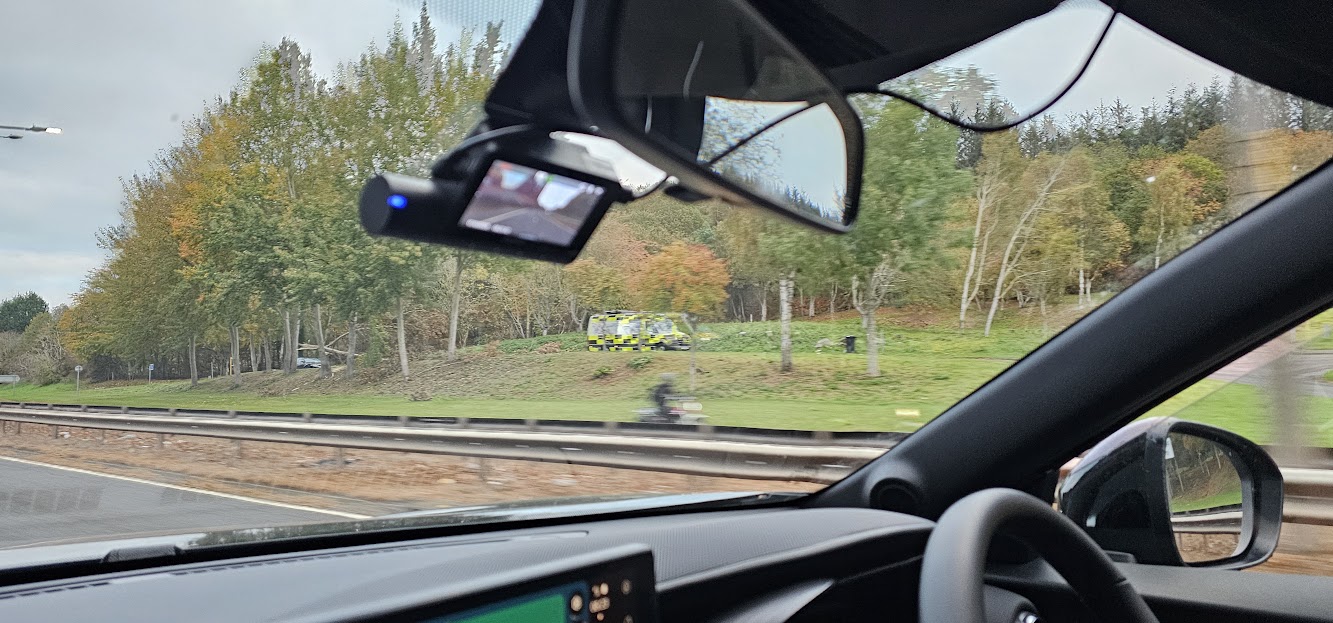
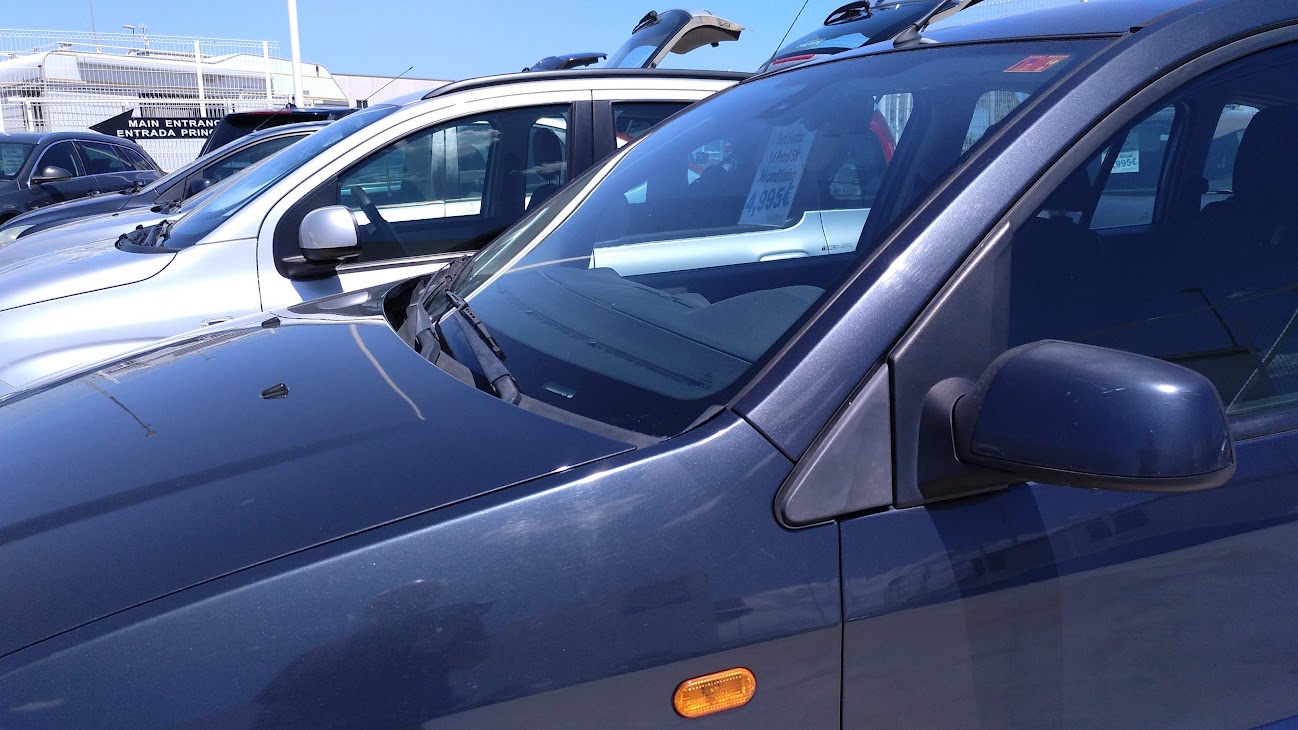
No vehicle offers perfect visibility. Pillars, headrests, mirrors, door frames, and the vehicle’s own structure all create areas that are not visible from the driver’s seat. Even with modern technology, blind spots have not disappeared.
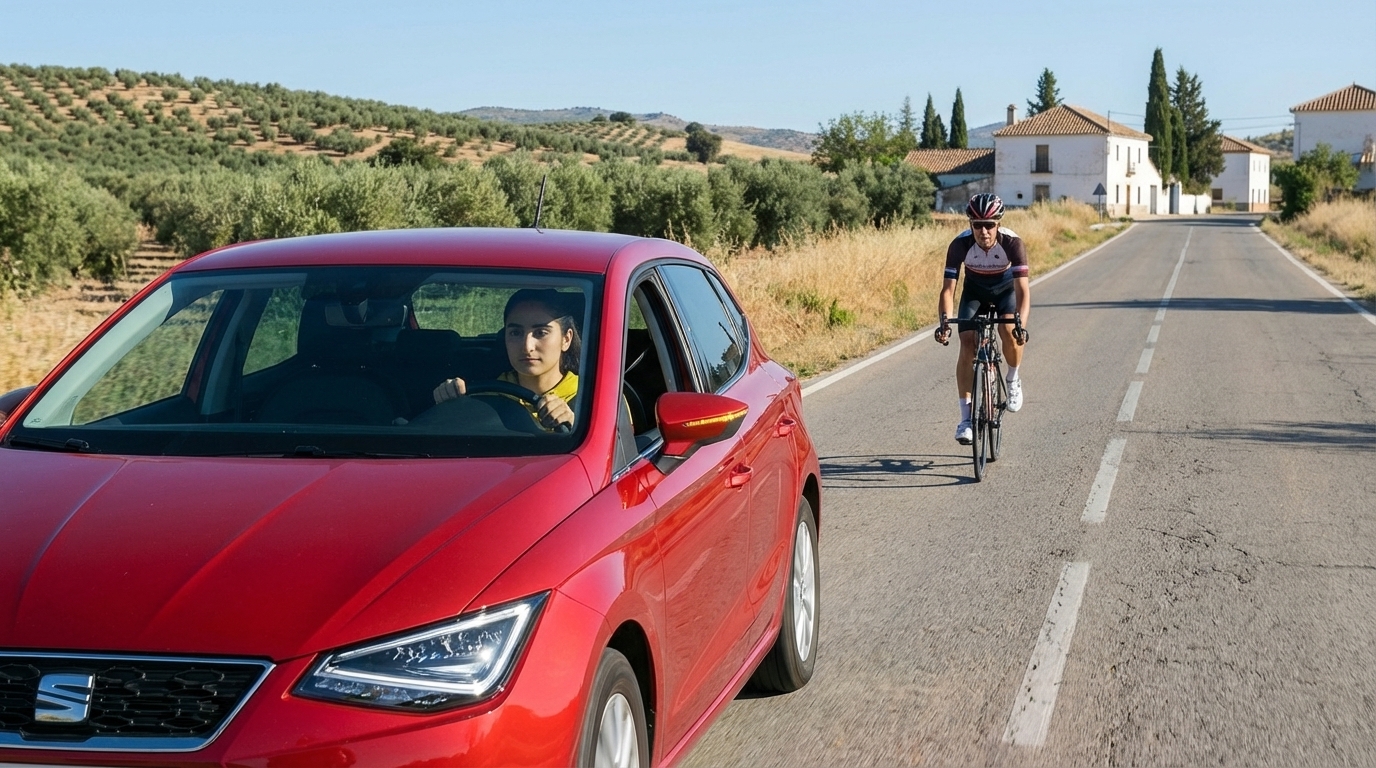
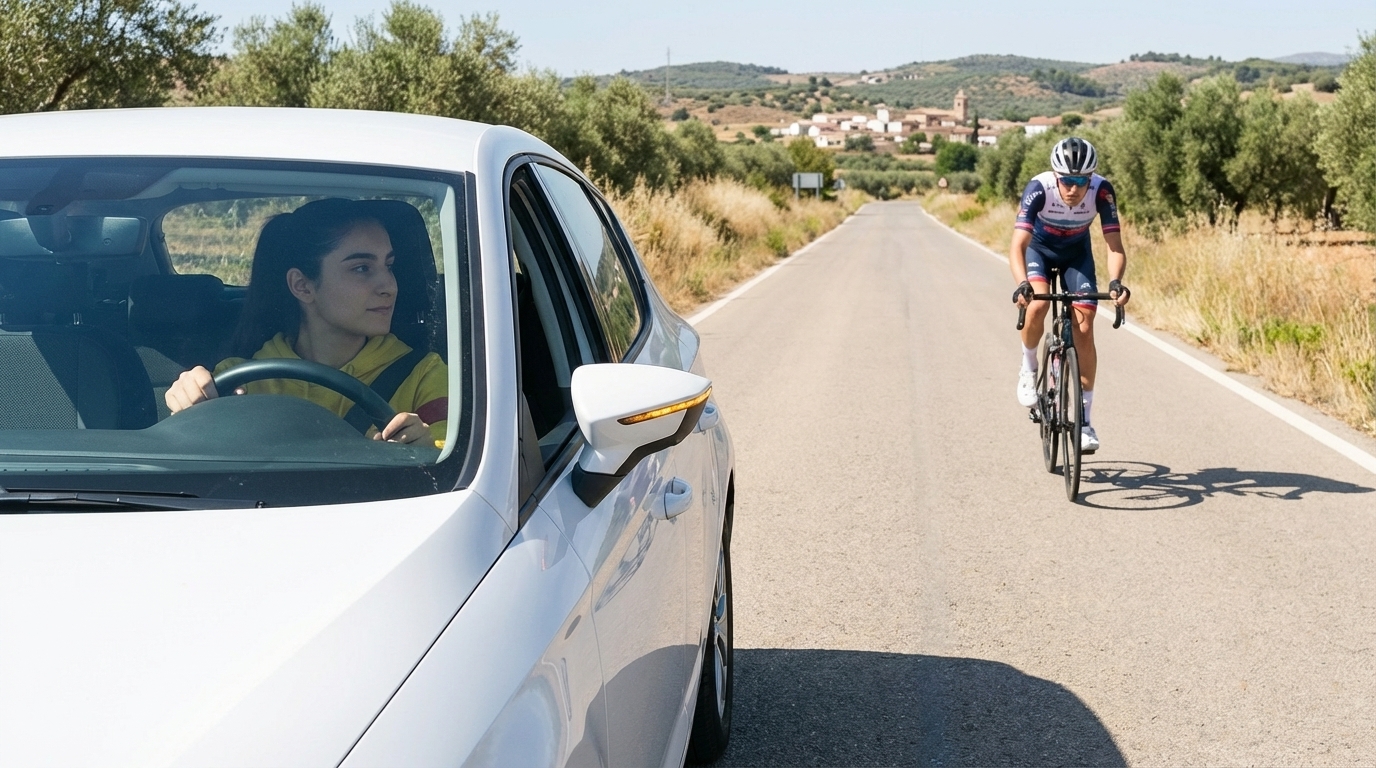
Larger vehicles naturally have larger blind spots, but smaller cars are not exempt. Cyclists can disappear alongside the vehicle, pedestrians can be hidden by door pillars, and motorcyclists can vanish between mirror checks.
Why Familiarity Increases Risk
Drivers who use the same vehicle every day often become complacent. Familiar routes and routines encourage assumptions: “If something were there, I would have seen it.”
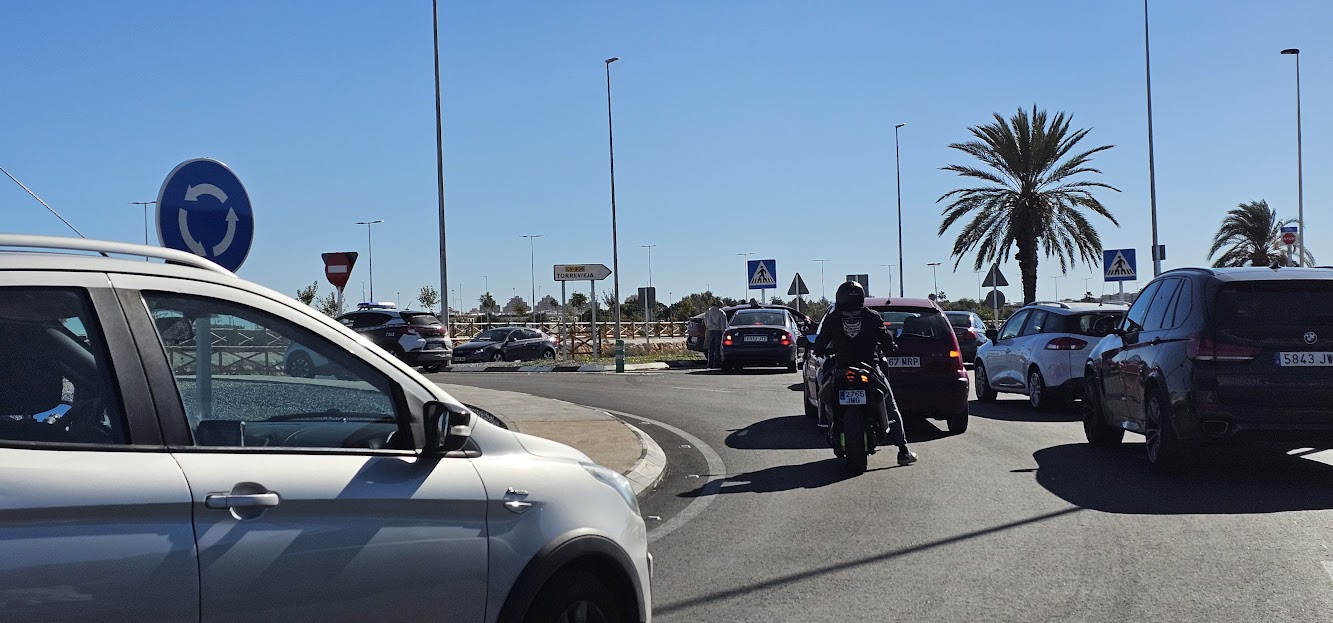
This mindset is particularly risky at junctions, roundabouts, and when changing lanes, where brief glances may miss someone entirely. Blind spots do not announce themselves. They only reveal their presence when it is too late.
Mirror Checks Are Not Enough on Their Own
Mirrors are essential, but they are not a complete solution. Effective observation requires a sequence:
- check mirrors,
- indicate intention early,
- perform a shoulder check,
- then manoeuvre smoothly.
Skipping the shoulder check is one of the most common errors, especially during lane changes or when opening a car door into traffic.
Vulnerable Road Users Are Most at Risk
Cyclists and motorcyclists often travel in positions that place them directly in blind spots. Pedestrians, particularly children and older people, may approach from unexpected angles and disappear behind vehicle pillars.
These road users rely heavily on drivers anticipating their presence rather than reacting to them at the last moment.
Small Habits That Reduce Big Risks
Blind spot awareness does not require advanced technology. It requires consistency:
- adjust mirrors correctly before every journey,
- slow down before changing direction,
- physically turn your head when necessary,
- never assume the space beside your vehicle is clear.
These habits take seconds but can prevent life-changing consequences.
Seeing Is a Responsibility
Driving is not just about controlling a vehicle. It is about managing information, expectations, and uncertainty. Blind spots are a reminder that we never have complete awareness, only varying degrees of it.
Recognising what we cannot see — and acting accordingly — is one of the most responsible things any driver can do.
Discover more from N332.es - Driving In Spain
Subscribe to get the latest posts sent to your email.

You must be logged in to post a comment.