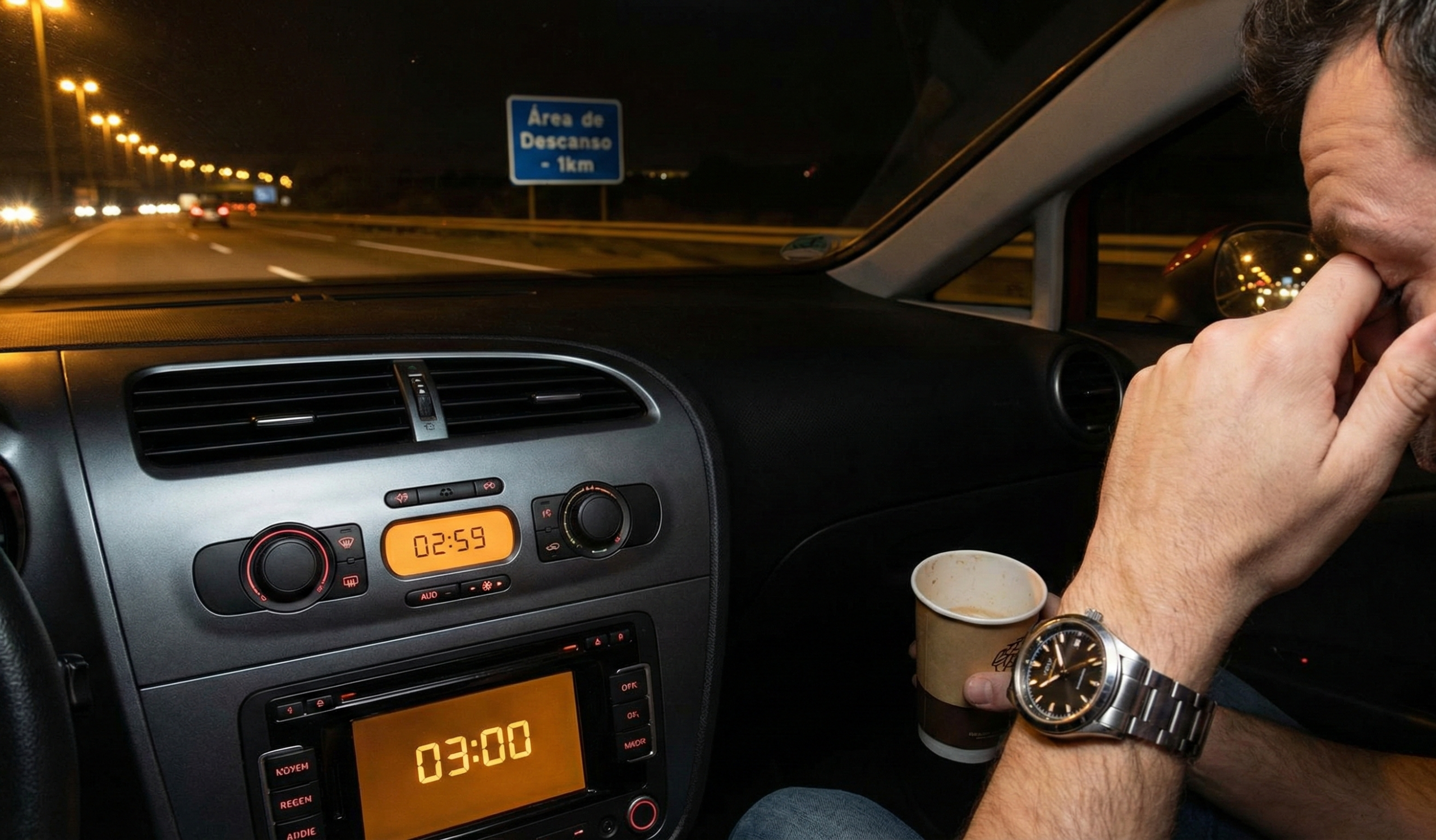

The shift to daylight saving time brings lighter evenings and a welcome sense of longer days. Yet losing an hour of sleep — even temporarily — has measurable effects on the body and brain.
For drivers, that disruption can translate directly into increased risk.
Contents
Sleep Loss Affects Reaction Time
Even mild sleep deprivation reduces alertness and slows reaction time. Studies consistently show that fatigue impairs judgement and hazard perception in ways comparable to alcohol at lower levels.
Drivers may feel only slightly tired, yet cognitive processing speed is already reduced.
Body Clocks Do Not Adjust Instantly
The human body follows a circadian rhythm — an internal clock regulating sleep, alertness, and energy levels. When the clocks move forward, this rhythm does not immediately realign.
For several days after the change, many people experience:
- Difficulty waking,
- Reduced concentration,
- Irritability,
- Mid-afternoon fatigue.
These effects can subtly influence driving performance.
Morning Darkness Returns
While evenings become lighter, mornings temporarily become darker again. This shift affects school runs, commuter traffic, and visibility patterns.
Drivers must readjust to lower light conditions at times when they may already feel less alert.
Fatigue Reduces Risk Awareness
Tired drivers are less likely to recognise their own impairment. Overconfidence combined with reduced alertness creates a dangerous mismatch.
Microsleeps — brief, involuntary lapses in attention — can occur without warning when fatigue increases.
Adapting to the Change
In the days surrounding the clock change, drivers should:
- Prioritise adequate sleep,
- Avoid long journeys if feeling unusually tired,
- Take breaks on extended trips,
- Remain aware that others may also be fatigued.
A small adjustment in schedule can reduce risk significantly.
Light Evenings Bring New Patterns
Lighter evenings often encourage more outdoor activity. Increased pedestrian and cyclist presence during dusk hours may coincide with driver fatigue in the early days after the time change.
Anticipation and patience become particularly important.
A Subtle but Real Risk
The clock change may feel administrative, but its effects are physiological. Recognising that the body requires time to adjust helps drivers remain cautious during this transitional period.
An hour may seem small. On the road, it can make a meaningful difference.
Discover more from N332.es - Driving In Spain
Subscribe to get the latest posts sent to your email.