
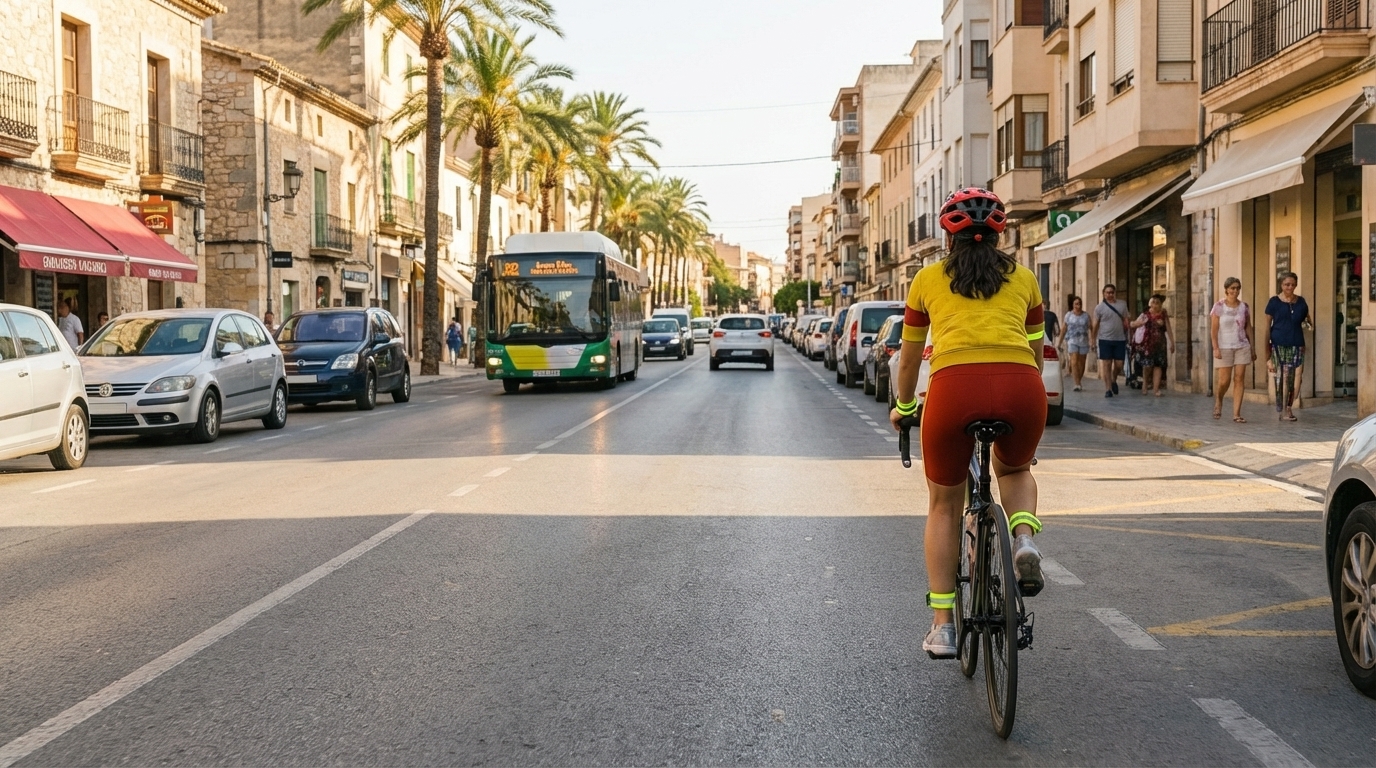
Cycling continues to grow in popularity across Spain, both as a form of transport and recreation. While cyclists deserve protection due to their vulnerability, it is equally important to understand that bicycles are legally classed as vehicles when used on the road. This carries responsibilities that are sometimes overlooked.
Understanding these rules protects cyclists themselves and helps avoid conflict with other road users.
Contents
Stop Signs and Traffic Lights Apply Fully
When approaching a stop sign, cyclists must come to a complete stop, including placing at least one foot on the ground. Rolling through a stop sign, even slowly, is a traffic offence.
The same applies to traffic lights. Cyclists must stop at red lights and only proceed when the signal permits. Ignoring lights creates serious risks at junctions, where drivers do not expect a cyclist to appear suddenly.
Alcohol Limits Apply to Cyclists Too
Many people are surprised to learn that alcohol limits apply to cyclists in the same way as drivers of motor vehicles. Riding a bicycle under the influence can lead to fines and other penalties.
More importantly, alcohol affects balance, reaction time, and judgement — all of which are critical for cyclists sharing space with heavier, faster vehicles. The only truly safe level is zero.
Road Signs Must Be Obeyed
Cyclists must follow all traffic signs, including no-entry signs, mandatory direction signs, and road closures. A road closed for an event does not give anyone the right to ignore other restrictions unless specific exemptions are clearly indicated.
In December, one group of cyclists discovered this the hard way after ignoring restrictive signage and being sanctioned. The rules apply regardless of how quiet or temporary the situation may appear.
Positioning and Predictability Matter
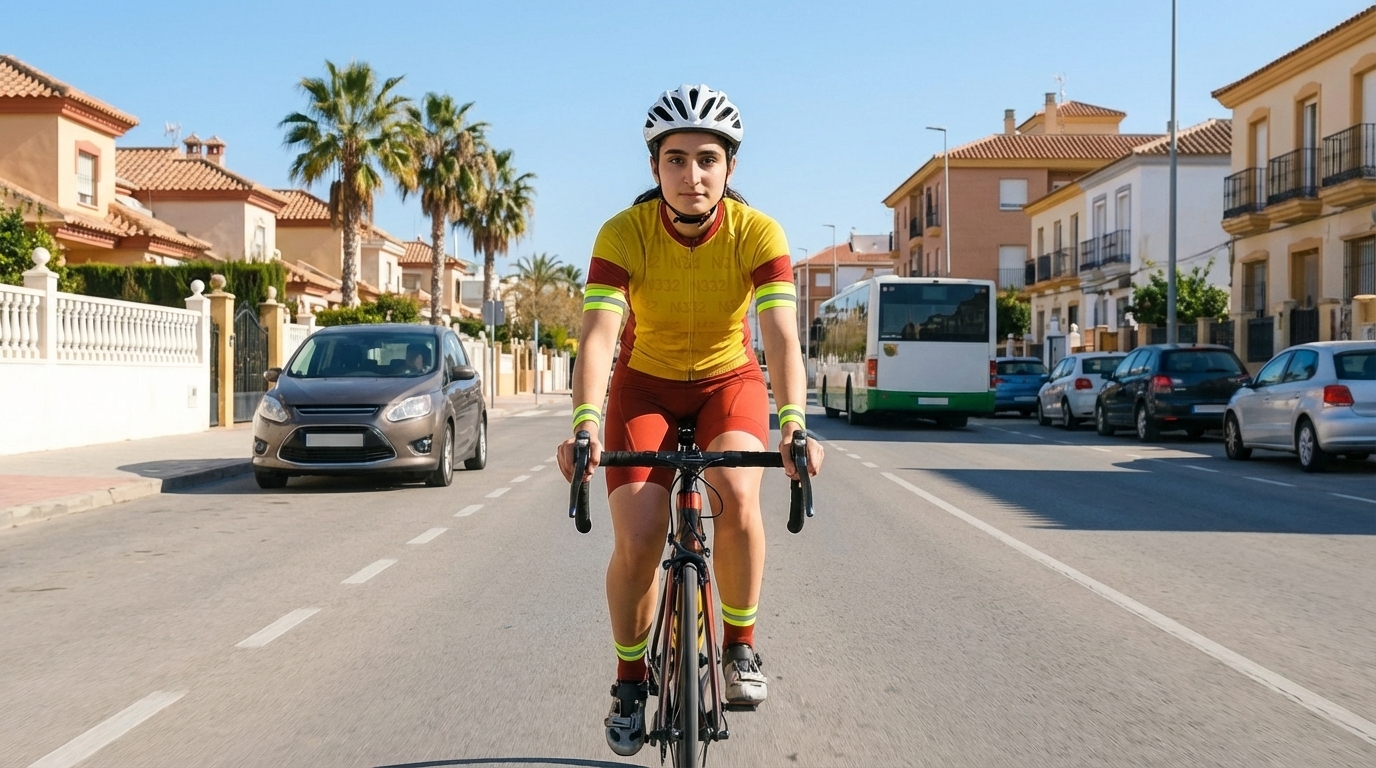
Cyclists should signal intentions early, and avoid weaving between lanes. Predictable behaviour helps drivers understand intentions and react appropriately.
Using lights at night, wearing reflective elements, and signalling turns are not optional extras — they are essential safety measures.
Rights and Responsibilities Go Together
Cyclists have every right to use the road, but those rights come with responsibilities. Respecting traffic laws reduces risk, increases predictability, and helps reinforce mutual respect between cyclists and drivers.
Safer Roads Through Shared Understanding
When cyclists follow the same rules as other vehicles, the road environment becomes clearer and safer for everyone. Awareness, compliance, and predictability are key to reducing collisions and building safer shared spaces.
Discover more from N332.es - Driving In Spain
Subscribe to get the latest posts sent to your email.

You must be logged in to post a comment.