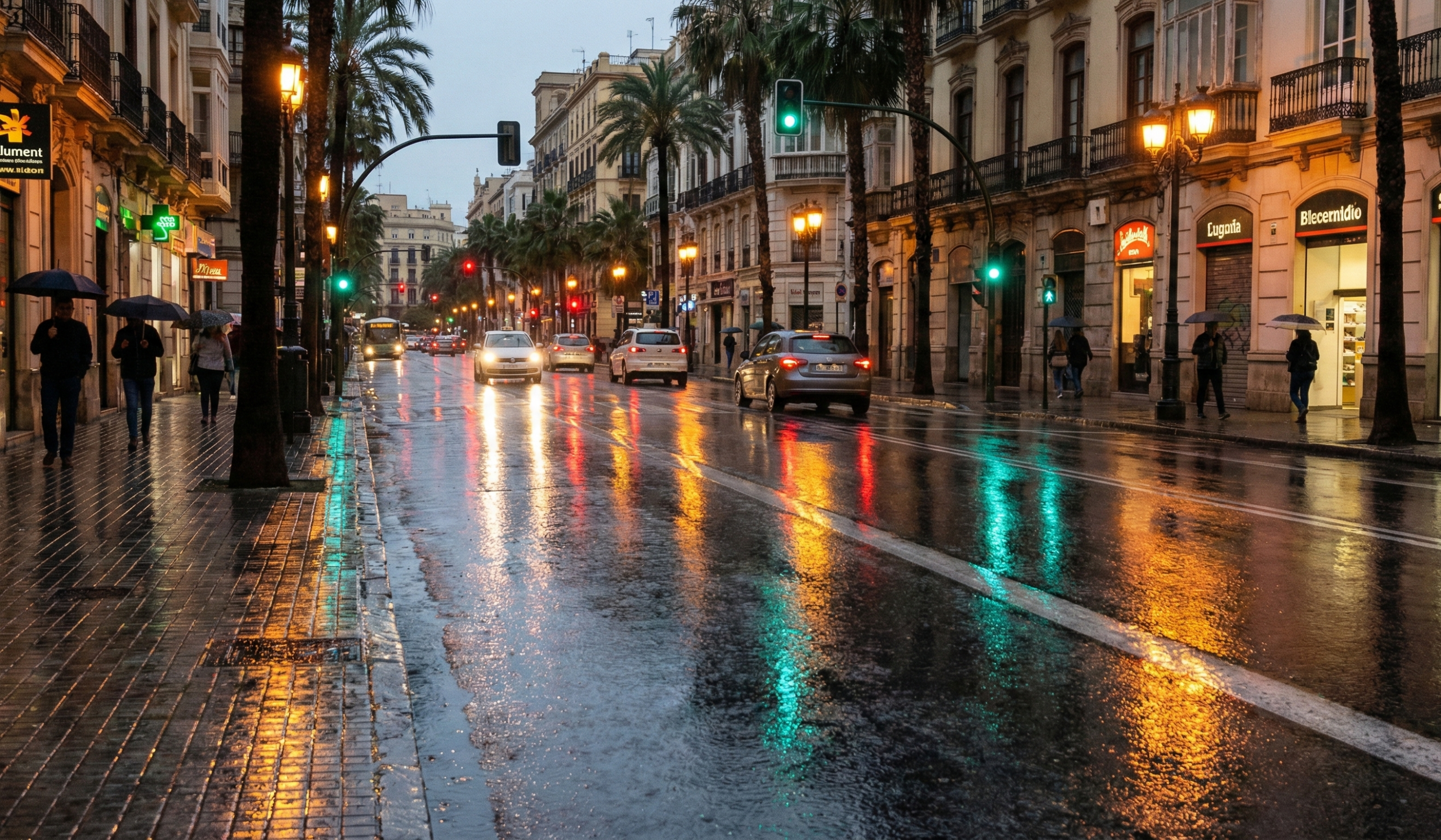

After weeks of dry conditions, the arrival of rain often feels like a relief. Dust settles, temperatures drop slightly, and the air feels cleaner. Yet from a driving perspective, the first rainfall after dryness can create one of the most hazardous surface conditions of the year.
The danger lies in what has accumulated invisibly on the road.
Contents
Oil and Residue Build Up Over Time
During dry periods, small amounts of oil, rubber particles, fuel residue, and dust gradually accumulate on the road surface. In the absence of regular rain, these contaminants remain in place.
When rain finally arrives, water lifts this layer and mixes with it, creating a thin, slippery film.
For a short period — often during light rain — grip can be significantly reduced.
Why Light Rain Can Be Worse
Heavy, sustained rain eventually washes contaminants away, improving surface grip after the initial period. Light rain, however, may not be sufficient to clear the surface, instead creating a temporary layer of reduced traction.
Drivers may misjudge conditions because the rain does not appear severe.
Reduced Grip Means Longer Stopping Distances
When traction decreases, braking effectiveness is compromised. Vehicles may take longer to stop, and anti-lock braking systems may activate more frequently.
Cornering stability is also affected, particularly on roundabouts and painted road markings.
Motorcyclists and Cyclists Are Especially Vulnerable
Two-wheeled vehicles are more sensitive to changes in grip. Painted surfaces, metal covers, and polished tarmac become particularly slippery during early rainfall.
Drivers should anticipate the possibility of unexpected movement from vulnerable road users adjusting to reduced grip.
Adapting to the Conditions
When rain begins after a dry spell, drivers should:
- Reduce speed gradually,
- Increase following distance,
- Avoid harsh braking or steering inputs,
- Remain alert for skidding vehicles ahead.
Smooth, progressive control inputs reduce the likelihood of loss of traction.
Perception Can Be Misleading
A light drizzle does not look dangerous. Clear visibility and moderate traffic can create a false sense of security. Yet the combination of surface contaminants and water changes the physics of the road immediately.
Patience Prevents Incidents
The highest risk period often lasts only a short time, particularly during the first rainfall. A modest reduction in speed and an increase in caution can prevent collisions during this transitional phase.
Weather does not need to be dramatic to be dangerous. Sometimes, the most ordinary-looking rain carries the greatest risk.
Discover more from N332.es - Driving In Spain
Subscribe to get the latest posts sent to your email.