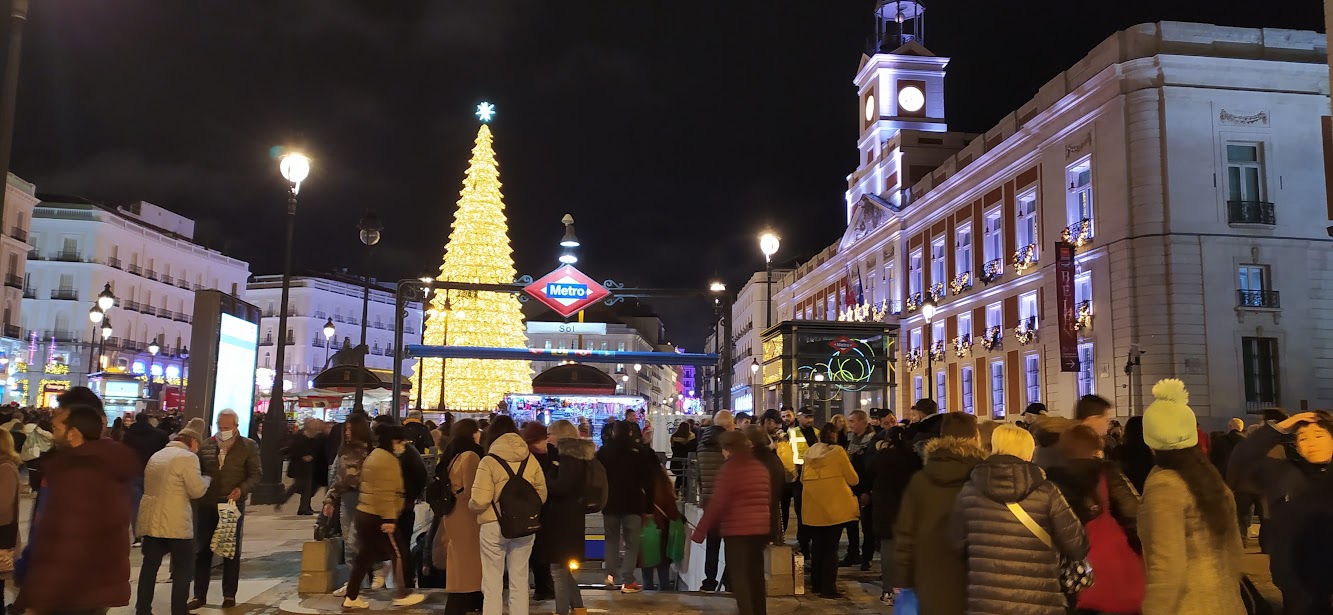

Spain’s festive season is one of the longest in Europe, stretching from early December to the celebration of Reyes Magos on 6 January. While Christmas Day is important, Nochebuena (Christmas Eve) is traditionally the most significant family gathering, prompting intense travel on motorways and local roads alike. Many families travel again for New Year, and a final surge arrives just before Three Kings. For drivers, this means several weeks of consistently heavy traffic, often combined with winter conditions.
Understanding Spain’s Festive Traffic Patterns
Unlike some countries where the main travel spike is limited to one or two days, Spain experiences multiple waves:
- Around 22–24 December: families travelling to host Nochebuena.
- 26–28 December: return journeys and trips for post-Christmas shopping.
- 30–31 December: New Year gatherings.
- 4–6 January: final surge for Three Kings celebrations and gift-giving.
Motorways connecting major cities, such as the A-3 (Madrid to Valencia), A-4 (Madrid to Andalucía), and AP-7 along the Mediterranean coast, often experience concentrated traffic at predictable times: late afternoons, evenings, and the final hours before mealtimes.
Weather Adds Another Layer of Risk
December travel frequently coincides with winter conditions. Fog in low-lying regions, rain along the coast, and ice or snow in mountainous areas can all increase journey times and reduce visibility. Drivers should allow extra time to avoid rushing, and always begin a long trip with full headlights, clean windows, and a properly checked vehicle.
The Importance of Fatigue Management
Long journeys, late-night travel for Christmas dinners, and back-to-back commitments can increase fatigue. Spain’s festive season is filled with late evenings, social gatherings, and early starts — all of which can reduce alertness behind the wheel.
Drivers should plan breaks every two hours, share driving where possible, and avoid setting off immediately after a long meal or late-night celebration.
Planning Ahead Keeps Everyone Safer
To stay safe during the busiest season:
- Check traffic conditions in advance, especially on major national routes.
- Avoid last-minute departures during peak travel times.
- Keep emergency items in the car, including reflective vests and an electronic warning beacon.
- Consider alternative routes to avoid overcrowded motorways.
- Maintain a greater following distance — winter traffic often stops suddenly.
A Season for Caution and Celebration
Spain’s road network is at its busiest throughout the festive season, but with foresight and patience, drivers can navigate the period safely. Whether travelling to see family, returning home after celebrations, or making the traditional visit for Three Kings, responsible driving helps ensure that everyone arrives to enjoy the holidays together.
Discover more from N332.es - Driving In Spain
Subscribe to get the latest posts sent to your email.