
Spring warmth is often welcomed after colder months, yet rising temperatures introduce new variables for drivers. Roads and tyres respond to heat physically, and those changes can subtly influence vehicle handling and safety.
March is a transitional month, and understanding how surfaces react helps prevent unexpected loss of control.
Contents
Tarmac Expands in Heat
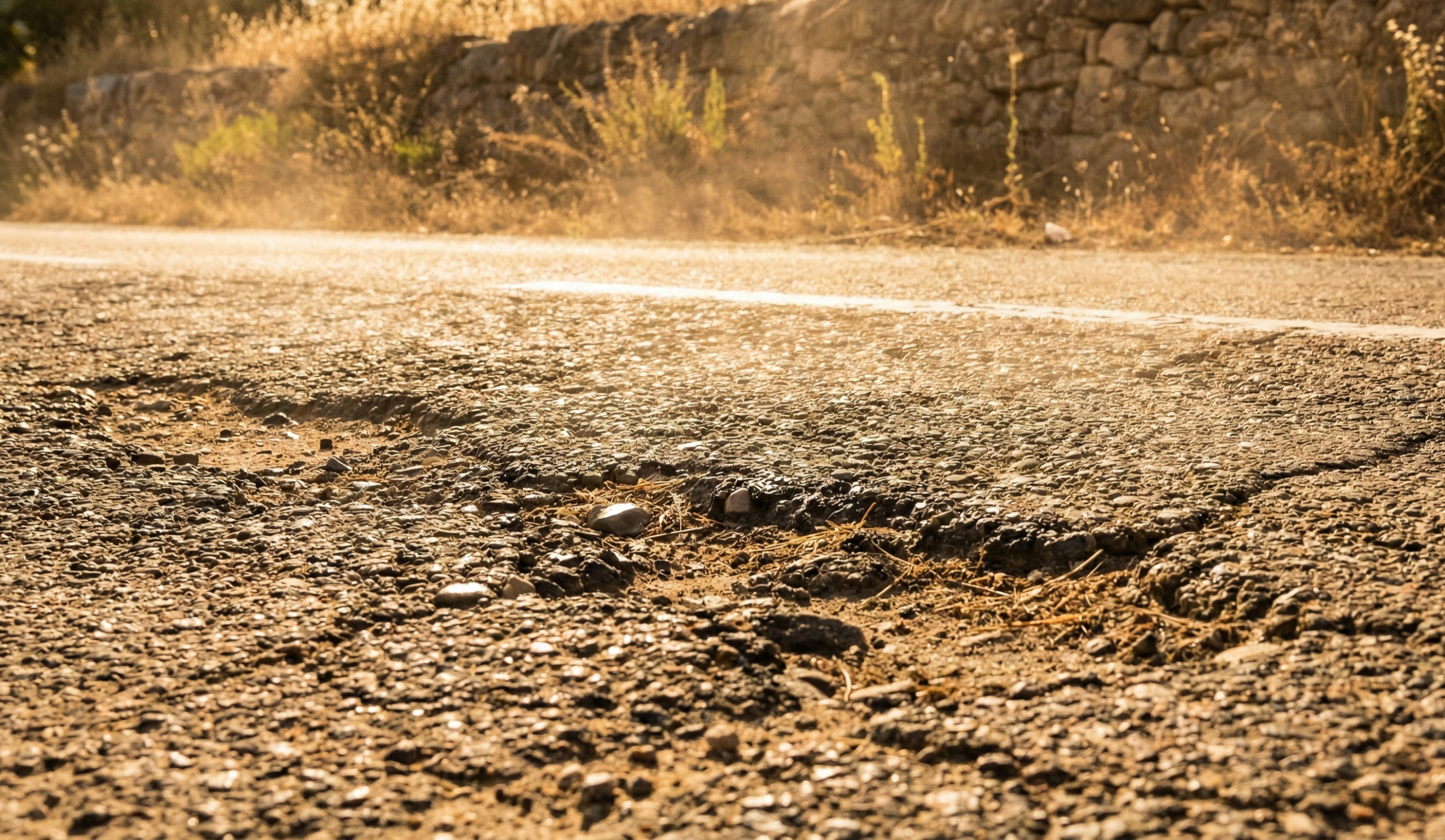
Road surfaces expand as temperatures rise. This expansion can worsen existing cracks or create small surface distortions. Sections repaired during winter may settle unevenly once exposed to sustained warmth.
In areas with heavier traffic, softer tarmac can develop slight rutting or polished patches, reducing grip — particularly for motorcyclists and cyclists.
Tyre Pressure Changes with Temperature
Air expands as it warms. As outside temperatures increase, tyre pressure rises. If tyres were set at the upper end of recommended pressure during winter, spring warmth may push them beyond optimal levels.
Overinflated tyres reduce the contact patch with the road surface, potentially affecting grip and braking performance.
Checking tyre pressures as seasons change is a simple but effective safety measure.
Tyre Condition Becomes More Important
Worn tyres that performed adequately in cooler weather may struggle on warming surfaces. Increased temperature can accelerate wear, particularly on long motorway journeys.
Drivers should check:
- Tread depth,
- Visible cracking,
- Uneven wear patterns,
- Correct inflation.
Grip depends heavily on tyre condition.
Surface Grip Can Be Deceptive
Warm sunshine often creates the perception of ideal driving conditions. However, heat combined with residual winter debris — such as dust, loose gravel, or degraded surface material — can reduce traction unexpectedly.
Corners, roundabouts, and rural roads are especially vulnerable to this effect.
Driving Style Should Adapt
As conditions change, so should driving behaviour. Maintaining appropriate following distances and avoiding abrupt steering or braking inputs helps preserve stability.
Smooth inputs reduce the likelihood of sudden grip loss.
Seasonal Checks Prevent Problems
March is an ideal time to carry out basic vehicle checks:
- Tyre pressure and tread depth,
- Windscreen washer levels,
- Wiper condition,
- Brake responsiveness.
Small preventative actions reduce the likelihood of larger problems.
Heat Is a Variable, Not a Guarantee
Warmer weather does not automatically mean safer roads. Heat alters both surfaces and vehicles in subtle ways.
Recognising that seasonal change affects the mechanics of driving helps ensure that improving weather does not lead to declining awareness.
Discover more from N332.es - Driving In Spain
Subscribe to get the latest posts sent to your email.