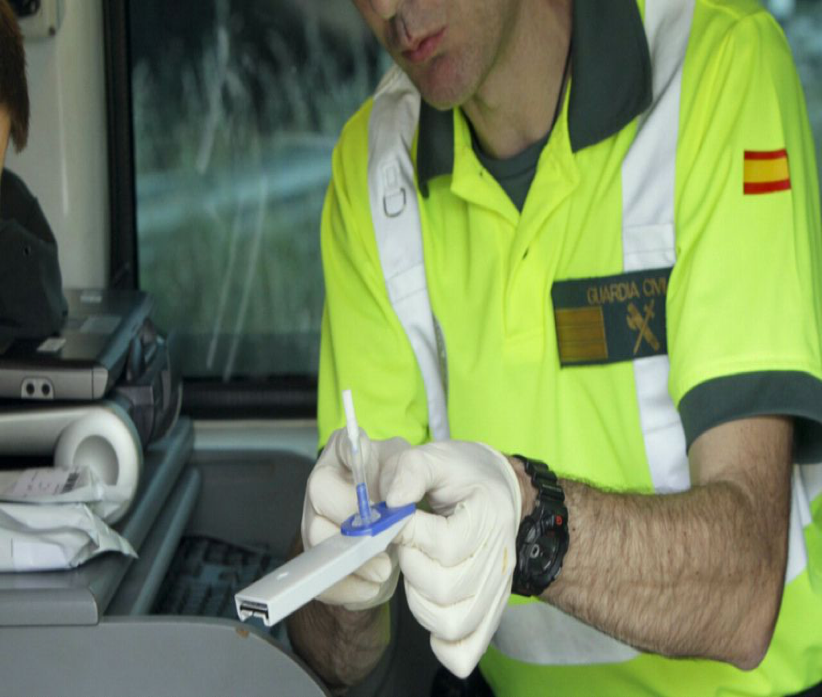

Alcohol is not the only substance that destroys lives on the road. Increasingly, police and emergency services report collisions where the driver was not drunk, but drug-impaired — often without realising how profoundly their abilities had been altered.
Drug driving is more complex than alcohol because the effects are unpredictable, inconsistent, and often invisible until the moment everything goes wrong.
Whether taken recreationally, medicinally, or out of curiosity, drugs change the way the brain processes movement, distance, light, sound, and time. They create a false sense of confidence — and confidence behind the wheel can be fatal.
The Myth of “Feeling Fine”
One of the most dangerous misconceptions is: “I feel okay.”
Feeling okay means nothing. Many drugs dull anxiety, heighten relaxation, or boost alertness, masking the very symptoms that make driving unsafe.
Stimulants can make a driver restless, aggressive, or hypersensitive to sights and sounds.
Cannabis can slow reaction times, distort time perception, and reduce coordination.
Prescription painkillers or sedatives can cause drowsiness and delayed decision-making.
Recreational drugs can cause confusion, panic, impulsive behaviour, and tunnel vision — all catastrophic when travelling at speed.
None of these effects are visible in the mirror. A driver may feel in control but still be seconds away from disaster.
The Moment Control is Lost
Drug-impaired collisions often have a similar pattern:
— A bend taken too fast.
— A pedestrian stepping out sooner than expected.
— A cyclist approaching from the side.
— A red light misjudged by a fraction of a second.
These fractions — the blink, the hesitation, the delayed brake — are precisely where lives end.
Emergency responders describe drug-related crashes as some of the most violent they attend. Without the natural reflexes that sober drivers rely on, the impact is often faster, harder, and less controlled. And in the aftermath, the driver’s shock is palpable. Many had no idea their reactions were so compromised.
When the Body Forgets What the Mind Believes
Drugs don’t simply impair judgement — they disconnect it.
They make the mind believe the body is capable of things it no longer is.
A driver under the influence may think they are driving smoothly, while drifting across lanes. They may believe they are alert, but miss a hazard entirely. They may assume they are calm, while making erratic, dangerous choices that endanger everyone around them.
The Silent Consequences
Just like with alcohol, the devastation extends beyond the crash.
The driver faces a lifetime of guilt.
The families suffer the same unbearable loss.
Police officers must once again witness scenes they can never forget.
But drug driving carries an additional cruelty: many drivers genuinely did not expect it. They underestimated the substance, overestimated their control, or believed that “natural” or “prescribed” meant “safe”.
It does not.
A Straightforward Truth
If you are taking anything — legal or illegal — that changes the way you think, feel, or react, you should not drive.
If a medicine warns of drowsiness, do not drive.
If you have consumed a recreational drug, do not drive.
If you feel different, slowed, sharpened, relaxed, restless, detached — do not drive.
The road does not care why you are impaired.
Only that you are.
A Closing Word
This festive season, with celebrations stretching late into the night, remember one simple rule:
If your mind is altered, your driving is altered — and the consequences can destroy lives.
Choose safety.
Choose responsibility.
Choose not to drive under the influence of anything.
Discover more from N332.es - Driving In Spain
Subscribe to get the latest posts sent to your email.