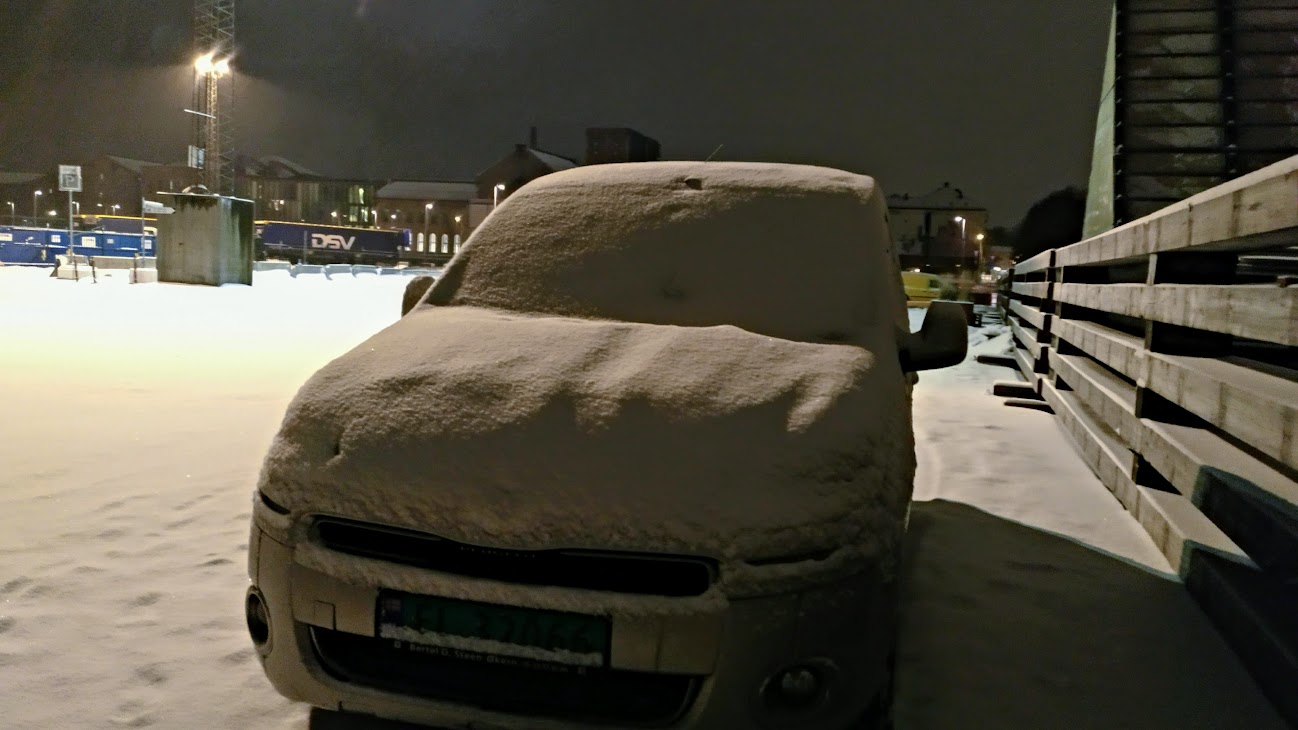

During December, it is common for cars to spend several days — or even weeks — unused. Families travel to see relatives, take holidays, or simply leave the car parked during days spent at home. When a vehicle sits still for an extended period, small issues can develop that affect safety and performance. Taking a few minutes to check the car before driving can prevent breakdowns, accidents, and unwanted insurance complications.
Tyres Lose Pressure When Cars Sit Idle
Tyres naturally lose air over time, and cold winter temperatures accelerate this process. A car that has been parked for several days may develop low pressure in one or more tyres, affecting grip, braking distance, and fuel efficiency.
Before setting off, inspect all four tyres and the spare if fitted. Look for visible flattening, cracks, or embedded objects. Use a pressure gauge or visit a petrol station to reinflate to the correct levels.
Batteries Can Struggle After Long Breaks
Modern vehicles use small amounts of power even when off — alarms, sensors, and electronics stay active. After several idle days, batteries may weaken, particularly in winter. If the car turns over slowly or warning lights flicker, allow the engine to run for several minutes before moving off. For older batteries, consider a professional check or replacement before the coldest weeks arrive.
Fluids and Visibility Checks
Cold weather can cause windscreen washer fluid to thicken, and wiper blades may stick to the glass. Before driving:
- Ensure washers are filled with winter-grade fluid.
- Check that wipers move freely and cleanly.
- Inspect coolant and oil levels.
- Look for signs of leaks beneath the vehicle.
Visibility is especially important in winter, when days are short and low sun creates glare. Clean all windows, mirrors, and lights to avoid obscured vision.
Brakes and Moving Parts Need Time to Wake Up
Moisture can accumulate on brake discs during damp winter nights, creating a thin layer of rust. This usually clears after gentle braking during the first few minutes of driving. However, if the brakes feel uneven or noisy after several uses, seek mechanical advice.
Some cars may also develop stiffness in moving parts such as door seals or handbrakes. Apply controls gently at first to ensure everything operates correctly.
A Simple Routine for Safe Post-Holiday Driving
Before departing after a period of rest:
- Walk around the car to check tyres, lights, and mirrors.
- Start the engine and let it settle for a minute.
- Test the brakes gently as you begin your journey.
- Ensure full visibility before joining traffic.
After a few minutes on the road, the car will return to normal performance. These checks take little time, yet they greatly reduce the risk of winter breakdowns and accidents — helping you start the year safely and confidently.
Discover more from N332.es - Driving In Spain
Subscribe to get the latest posts sent to your email.