

Medication plays a vital role in managing illness, pain, and everyday health conditions. However, many drivers are unaware that both prescription and over-the-counter medicines can impair driving ability — sometimes significantly.
Unlike alcohol, the effects of medication are often subtle, delayed, or misunderstood, making them particularly dangerous.
Contents
How Medication Can Affect Driving
Certain medicines can cause drowsiness, dizziness, blurred vision, slowed reaction times, or difficulty concentrating. These effects may appear shortly after taking a dose, or only once the medicine has built up in the body.
Drivers may feel “slightly off” rather than obviously impaired, which increases the risk of continuing to drive despite reduced capability.
The Red Triangle Warning
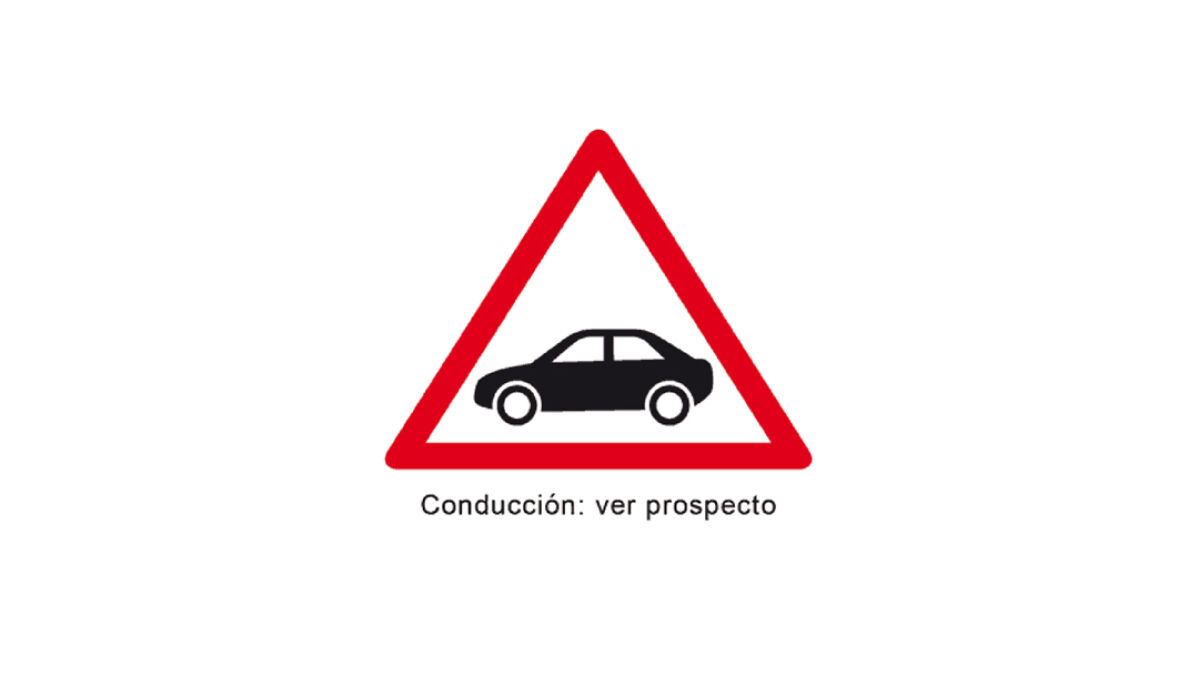
In Spain, some medicines carry a red triangle pictogram with a car inside. This symbol is a clear warning that the medication may affect driving ability.
Seeing this pictogram should prompt immediate caution. It does not automatically mean driving is forbidden, but it signals that professional advice should be sought and side effects closely monitored.
Over-the-Counter Does Not Mean Risk-Free
Cold and flu remedies, antihistamines, painkillers, and sleep aids are commonly associated with drowsiness or reduced alertness. Because they are easily available, people often assume they are safe for driving.
Combining medications, or mixing them with alcohol, can amplify effects and create serious impairment.
Individual Reactions Vary
Medication affects people differently. Dosage, body weight, fatigue, and existing health conditions all influence how a person reacts. A medicine that causes no noticeable effect in one person may significantly impair another.
This unpredictability makes self-awareness essential.
Ask Before You Drive
Drivers should always:
- read the information leaflet carefully,
- check for warning symbols on the packaging,
- ask a pharmacist or doctor if driving is safe,
- avoid driving until they understand how the medicine affects them.
If in doubt, the safest option is not to drive.
Health and Safety Go Together
Managing health conditions is important, but it should never come at the expense of road safety. Taking responsibility for understanding medication effects protects the driver and everyone else sharing the road.
Reading the label is a small action. The consequences of ignoring it can be far greater.
Discover more from N332.es - Driving In Spain
Subscribe to get the latest posts sent to your email.

You must be logged in to post a comment.