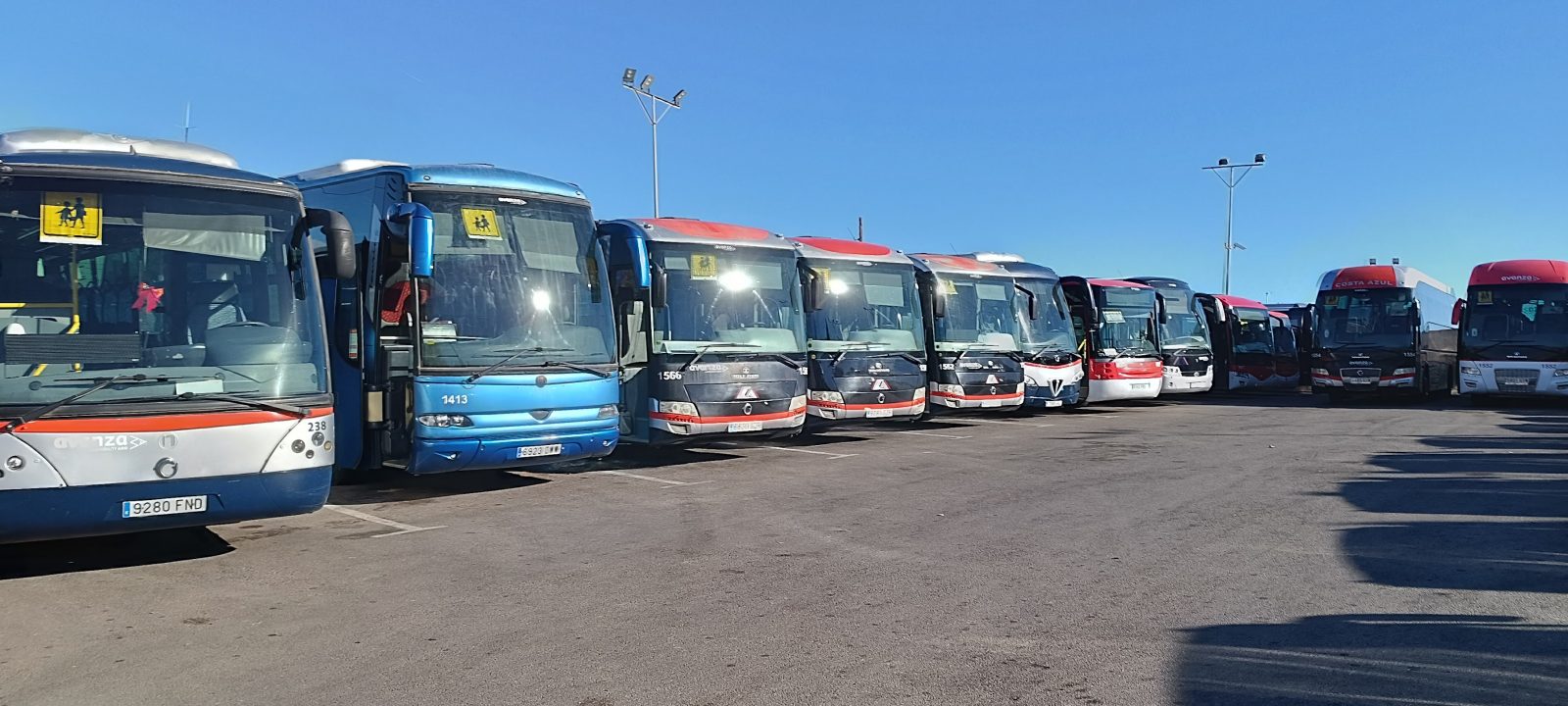
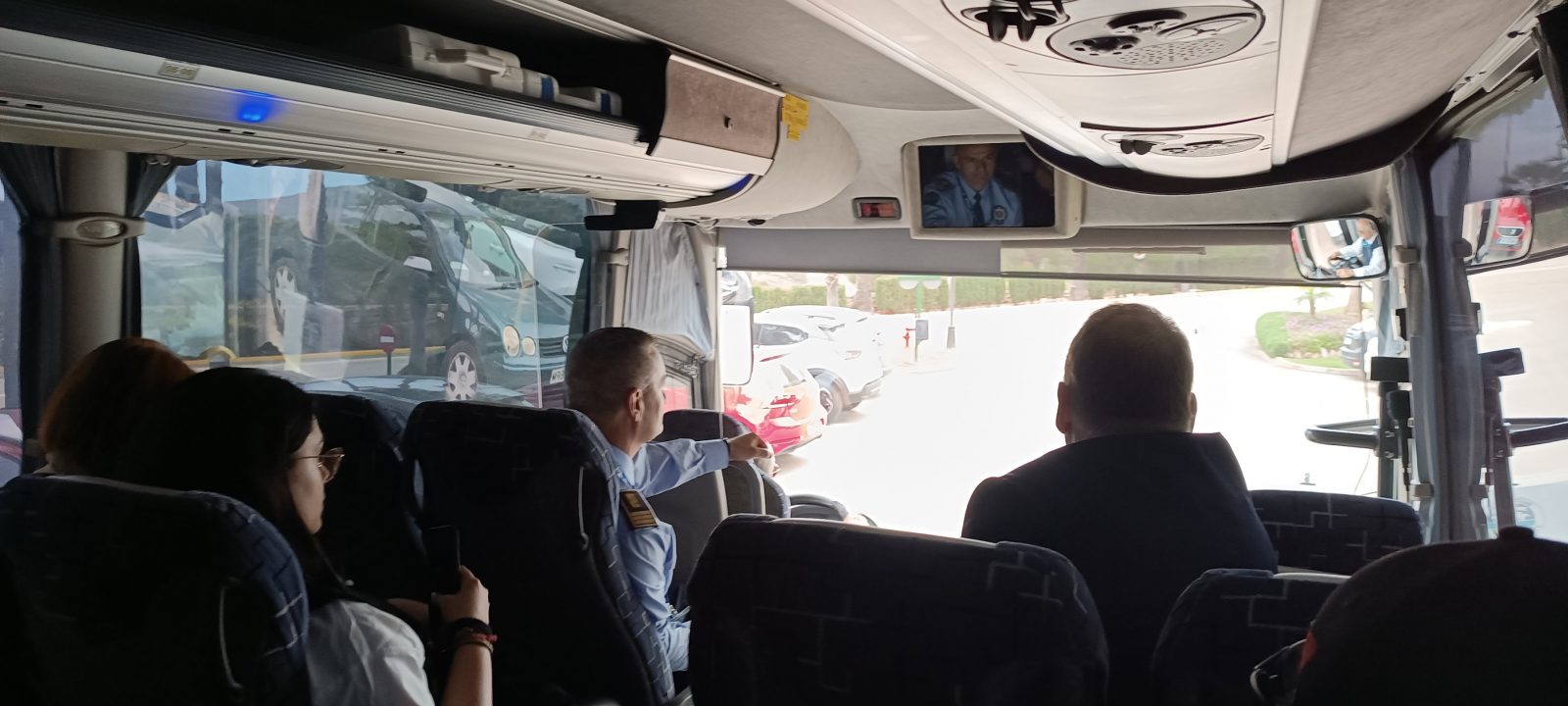
Every weekday across Spain, thousands of children travel to school by bus. For many families, it is a daily routine — but for the Guardia Civil and the DGT, it is also a matter of continuous safety vigilance. This week, a nationwide campaign ensures that every vehicle, driver, and company involved in school transport meets the highest safety standards.
Contents
What the Inspections Cover
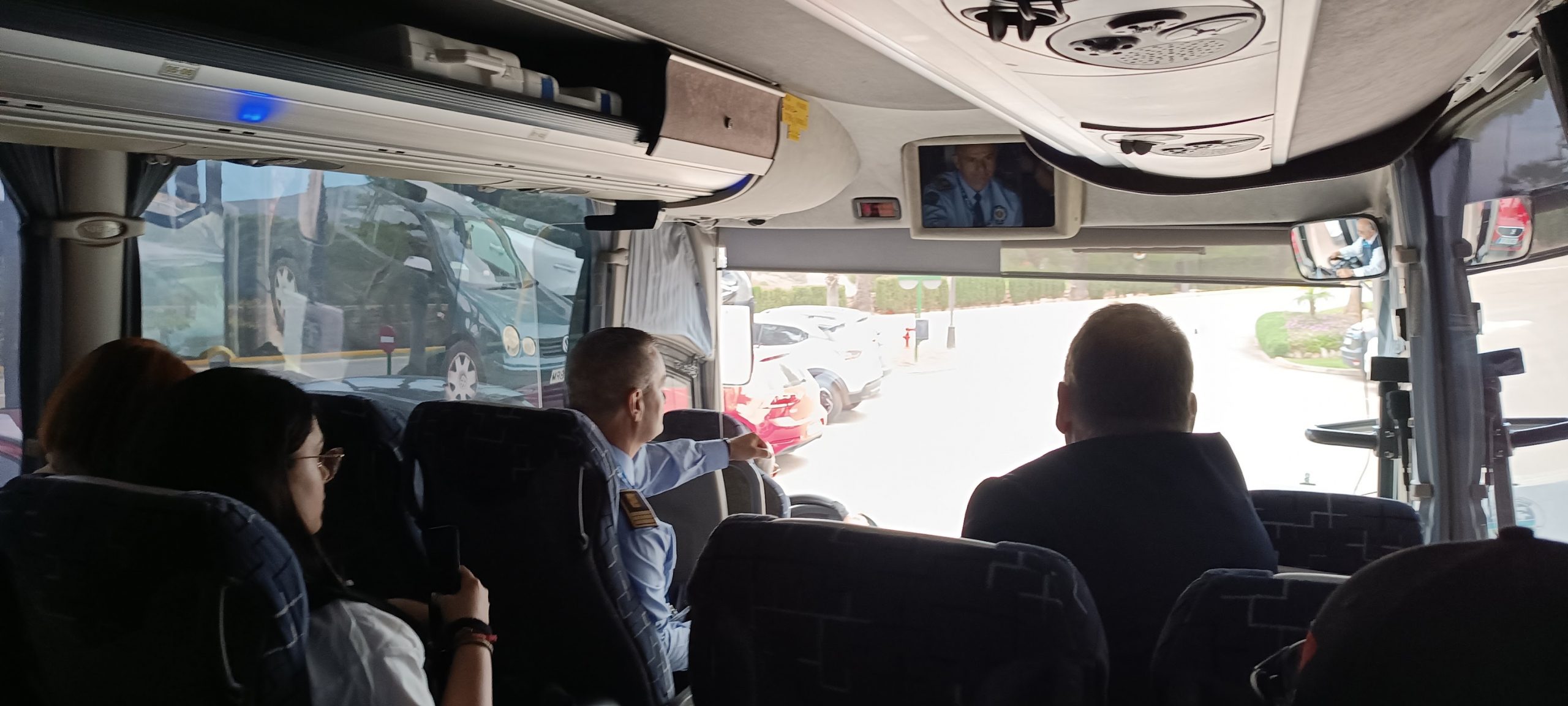
The checks focus on several key areas: driver qualifications, vehicle condition, and the presence of proper signage and safety equipment. Each bus must display a visible “Escolares” sign, carry a fire extinguisher, and have clearly marked emergency exits. Seatbelts are mandatory for all passengers where fitted, and inspectors verify that they are both fitted and functional.
The DGT also reviews driver working hours and rest periods to prevent fatigue — one of the most common causes of professional driving incidents. Vehicles found with faults or non-compliance may be removed from service until corrected.
Parents and Schools Have a Role Too
Safety does not end with the inspection. Parents should ensure that their children understand the rules: always remain seated, wear the seatbelt, and wait for the bus to stop completely before standing. Boarding and disembarking zones should be calm, orderly, and supervised by adults or teachers whenever possible.
Schools can support the process by maintaining clear pick-up areas, ensuring that buses are parked safely away from general traffic, and encouraging visibility. Reflective jackets or rucksack covers are simple yet effective for children who walk to the stop in low light.
The View from the Road
Other road users also play a part. When approaching a stopped school bus, Spanish law requires drivers to proceed with extreme caution and at a very low speed — ready to stop if children are crossing.
This simple courtesy can prevent tragedies, especially on narrow urban roads where children may suddenly appear from between vehicles.
Education Starts Early
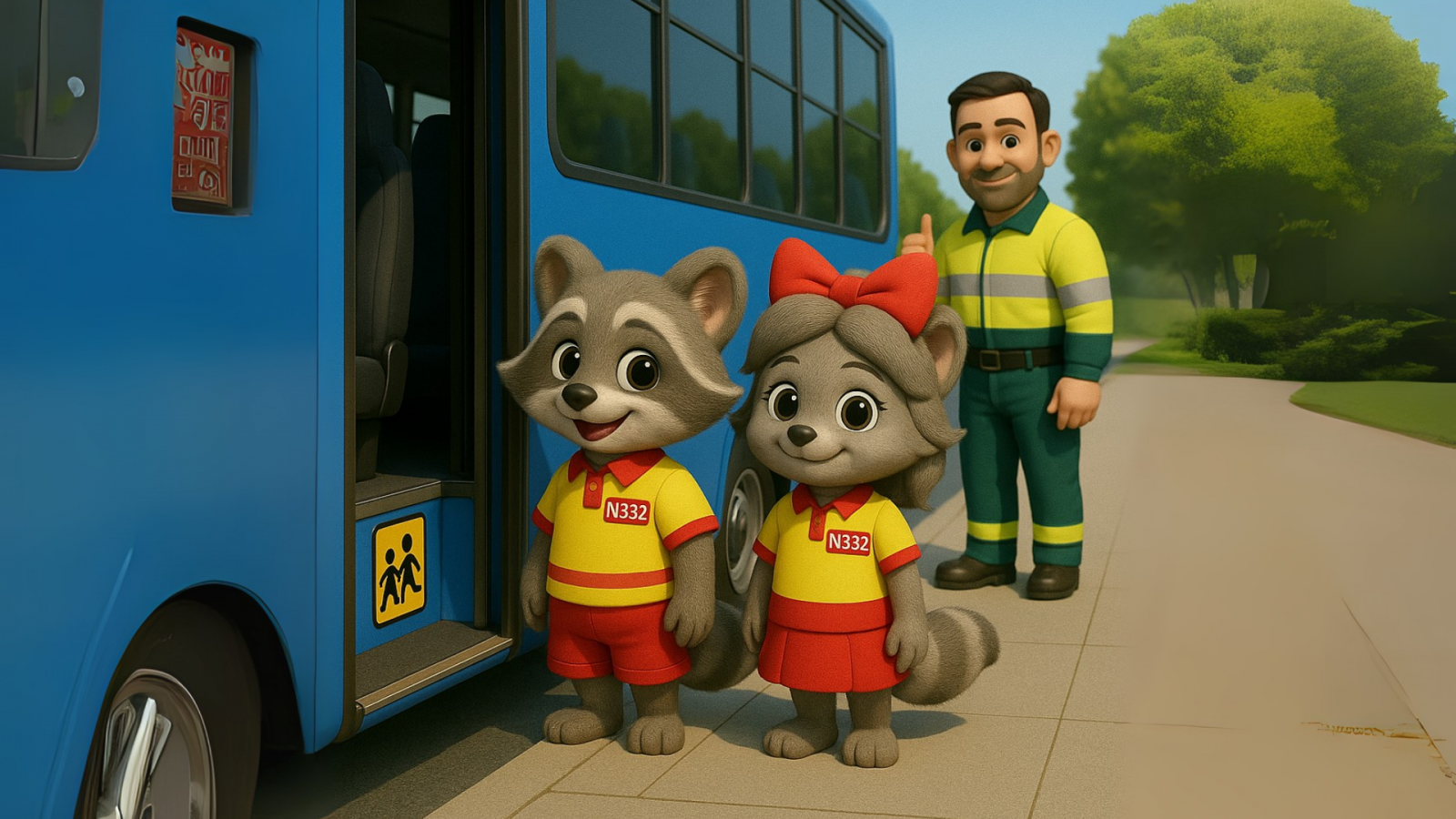
Projects like Trafford and Friends, from N332, reinforce these lessons in classrooms and communities, helping children recognise safe habits from an early age. Understanding how to behave around buses and crossings builds awareness that lasts a lifetime. Through enforcement, education, and shared responsibility, Spain continues to improve school transport safety — protecting its youngest and most vulnerable road users every single day.
Discover more from N332.es - Driving In Spain
Subscribe to get the latest posts sent to your email.

You must be logged in to post a comment.