TL;DR: While many drivers assume that heating an alcoholic beverage burns off the alcohol, scientific reality shows that hot drinks like mulled wine, fortified hot chocolates, hot toddies, and traditional Spanish carajillos retain a significant and unpredictable volume of alcohol, making them a deceptive drink-driving hazard in the colder months.
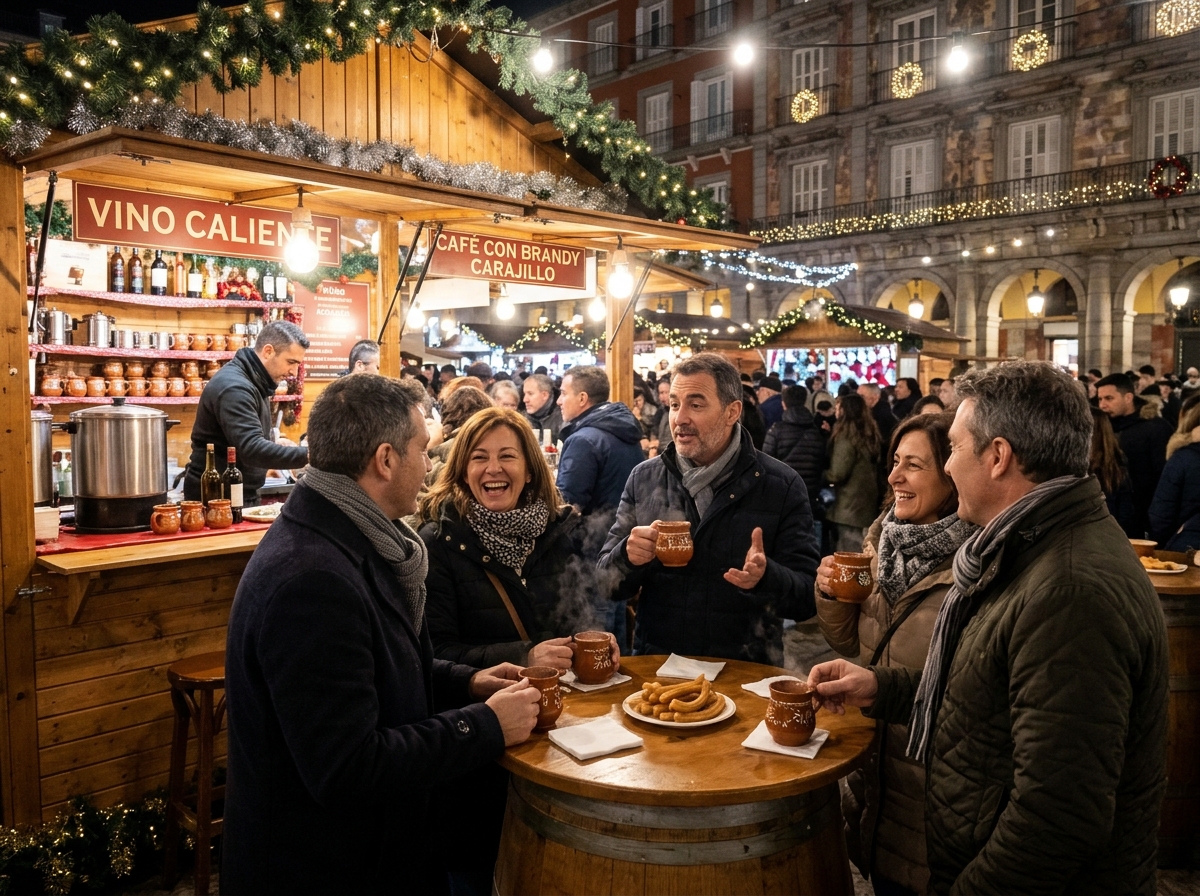
As the cooler late autumn weather takes hold and festive gatherings approach at the end of November, social drinking undergoes a distinct seasonal shift. Alongside the cold novelty cocktails and shared punch bowls of early autumn, winter menus begin to feature warm alternatives designed to keep out the chill: steaming mugs of mulled wine, rich hot chocolates topped up with liqueur, soothing hot toddies, and in Spain, the ubiquitous traditional coffee laced with brandy, rum, or whisky.
These warming drinks feel comforting, restorative, and remarkably innocent. However, they carry a widespread misconception that poses a serious risk to motorists: the belief that heating an alcoholic drink evaporates the alcohol and renders it harmless.
It is common knowledge that alcohol has a lower boiling point than water, which leads many people to assume that heat eliminates the intoxicating element. In practice, eliminating alcohol entirely requires sustained, vigorous boiling over several hours. When liquid is gently warmed, kept in an urn, or simply mixed with boiling liquid, the rate of evaporation is far lower than most realise. Crucially, it is virtually impossible to measure how much alcohol remains in any given cup.
A pot of mulled wine simmering gently behind a market stall or bar counter retains a substantial proportion of its original wine and spirit base. The longer it sits on low heat, the more water can evaporate along with trace amounts of alcohol, sometimes concentrating the mixture rather than weakening it. Conversely, when a shot of brandy or liqueur is added directly to hot coffee or chocolate immediately before serving, almost the entirety of the alcohol remains intact.
Just as with sweet cold cocktails, hot seasonal drinks create a powerful sensory blind spot. Warm milk, melted chocolate, honey, spices like cinnamon and clove, and rich coffee aromas effectively mask the raw bite of spirits. A motorist might consume a substantial measure of alcohol without ever perceiving the sharp taste usually associated with spirits. Because the beverage is warm and soothing, the brain treats it like comfort food rather than an alcoholic drink that impairs perception, coordination, and reaction times.
Attempting to calculate whether a seasonal warmer leaves you below the legal limit is impossible. Between untracked free-pouring, varying temperatures, and differing heating times, the actual alcohol intake is complete guesswork. Traffic enforcement officers and roadside breathalysers evaluate the alcohol concentration in your breath or blood, not the temperature of the mug you drank it from.
As winter socialising gets underway, do not let seasonal warmers compromise your safety or legal standing on the road. If you intend to drive, choose genuinely alcohol-free warm drinks, such as spiced apple juice, classic hot chocolate, or plain coffee. When alcohol is on the menu, keep the driving seat separate from the celebration.
Discover more from N332.es - Driving In Spain
Subscribe to get the latest posts sent to your email.