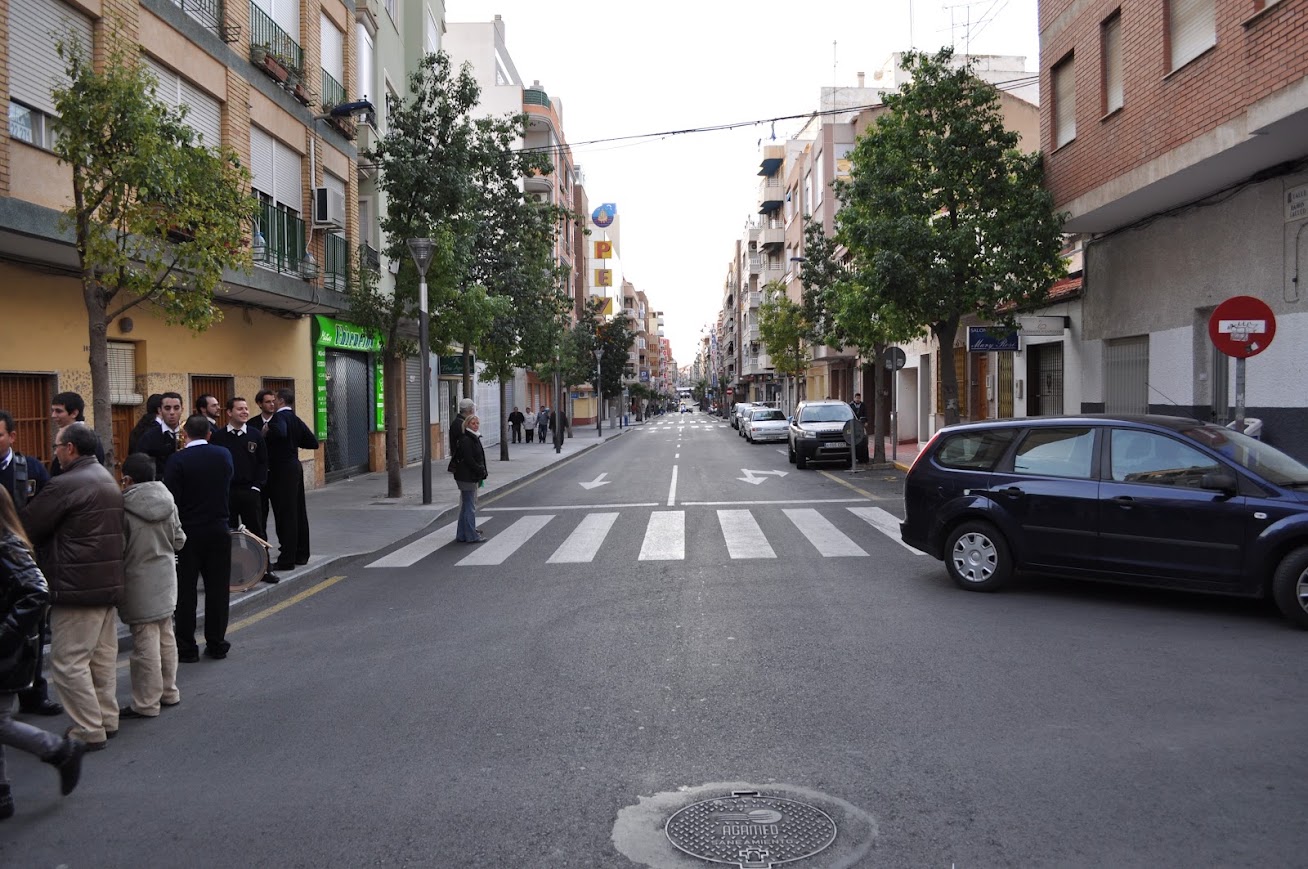

A lack of painted road lines or prohibitive signs does not grant motorists an automatic right to park in Spain; an overarching legal principle establishes that parking must never impair visibility or create hazards for other road users. Leaving a vehicle too close to a junction, a pedestrian crossing, a bend, or the brow of a hill severely obstructs sightlines for approaching traffic, carrying potentially fatal consequences for pedestrians and making the manoeuvre strictly illegal regardless of whether painted restrictions exist.
A common misconception among motorists in Spain is that the absence of painted yellow kerbs or explicit prohibition signs creates an automatic right to park. Drivers often leave vehicles in seemingly empty spaces right up to the edge of a junction or directly adjacent to a pedestrian crossing, assuming that because there are no markings to state otherwise, the act is completely harmless and entirely legal. In reality, it could easily be neither.
At the heart of Spanish parking regulations is an all-encompassing rule where visibility is the key deciding factor. Parking in a manner that obstructs the field of vision for other road users generates immediate and severe danger. When a driver parks too close to a pedestrian crossing, for instance, approaching motorists are prevented from seeing individuals who may be stepping out onto the carriageway. Obscuring that view can lead to devastating, fatal consequences, which is precisely why doing so is fundamentally unsafe and strictly illegal under the law.
There is another key piece of legislation which also deserves a mention here, Article 91, which states parking is considered an obstruction or a serious infraction if the distance between the parked vehicle and the opposite edge of the roadway (or a continuous longitudinal line prohibiting crossing) is less than 3 metres, or if it otherwise blocks the passage of other vehicles.
People sometimes criticise the legal framework in Spain, asking why authorities do not introduce explicit bans on parking near crossings. The simple answer is that they already do. However, rather than relying solely on individual markings for every single location, the Spanish rule is structured to cover almost any situation where safety is compromised. While other countries might depend entirely on specific painted street lines or rigid distance definitions, the regulation in Spain is deliberately broader to ensure that any obstruction to essential sightlines is addressed.
Under this legal principle, there are numerous locations where parking is prohibited due to compromised visibility, even without painted indicators. Leaving a vehicle near a road junction, along a sharp bend, or over the brow of a hill is unlawful because it removes the vital visual margin required to navigate safely. Naturally, there are also locations that are clearly marked where parking is explicitly forbidden, but drivers must always remember that painted lines are not the sole measure of legality. When choosing where to leave your vehicle, safety and clear visibility must always come first.
Discover more from N332.es - Driving In Spain
Subscribe to get the latest posts sent to your email.