

Spring brings visible change to the countryside. Fields become greener, temperatures rise, and wildlife becomes more active. For drivers, however, this renewed activity introduces a seasonal hazard that is often underestimated.
Young animals are particularly vulnerable — and particularly unpredictable.
Contents
Why Spring Changes Animal Behaviour
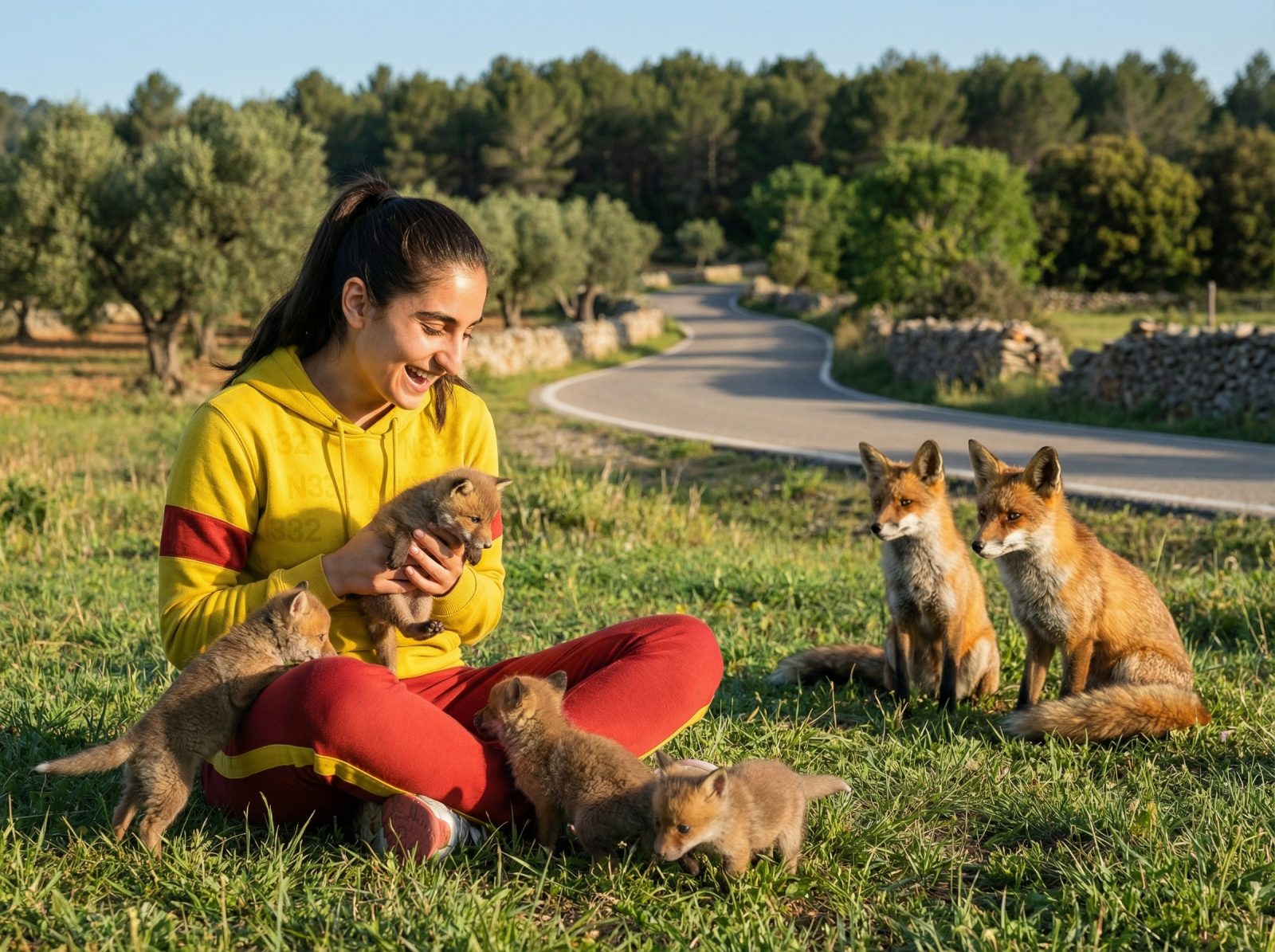
During spring, many species give birth and begin moving more frequently in search of food. Young animals lack experience and are more likely to behave erratically near roads.
They may:
- dart across carriageways without warning,
- freeze in headlights,
- follow a parent across the road unexpectedly,
- appear in small groups rather than alone.
Drivers who encounter one animal should always anticipate another following close behind.
Dawn and Dusk Are High-Risk Periods
Animal movement is most common during early morning and late evening. These times also coincide with reduced light levels and lower driver alertness.
On quieter roads, especially in rural areas, animals may feel more confident crossing, increasing the likelihood of sudden encounters.
The Deceptive Nature of Clear Weather
Warmer, clearer weather often encourages higher speeds. Yet improved visibility does not eliminate risk. A young animal can emerge from hedgerows or embankments too quickly for reaction at excessive speed.
Speed determines outcome. Even a small reduction can make the difference between avoiding a collision and striking an animal.
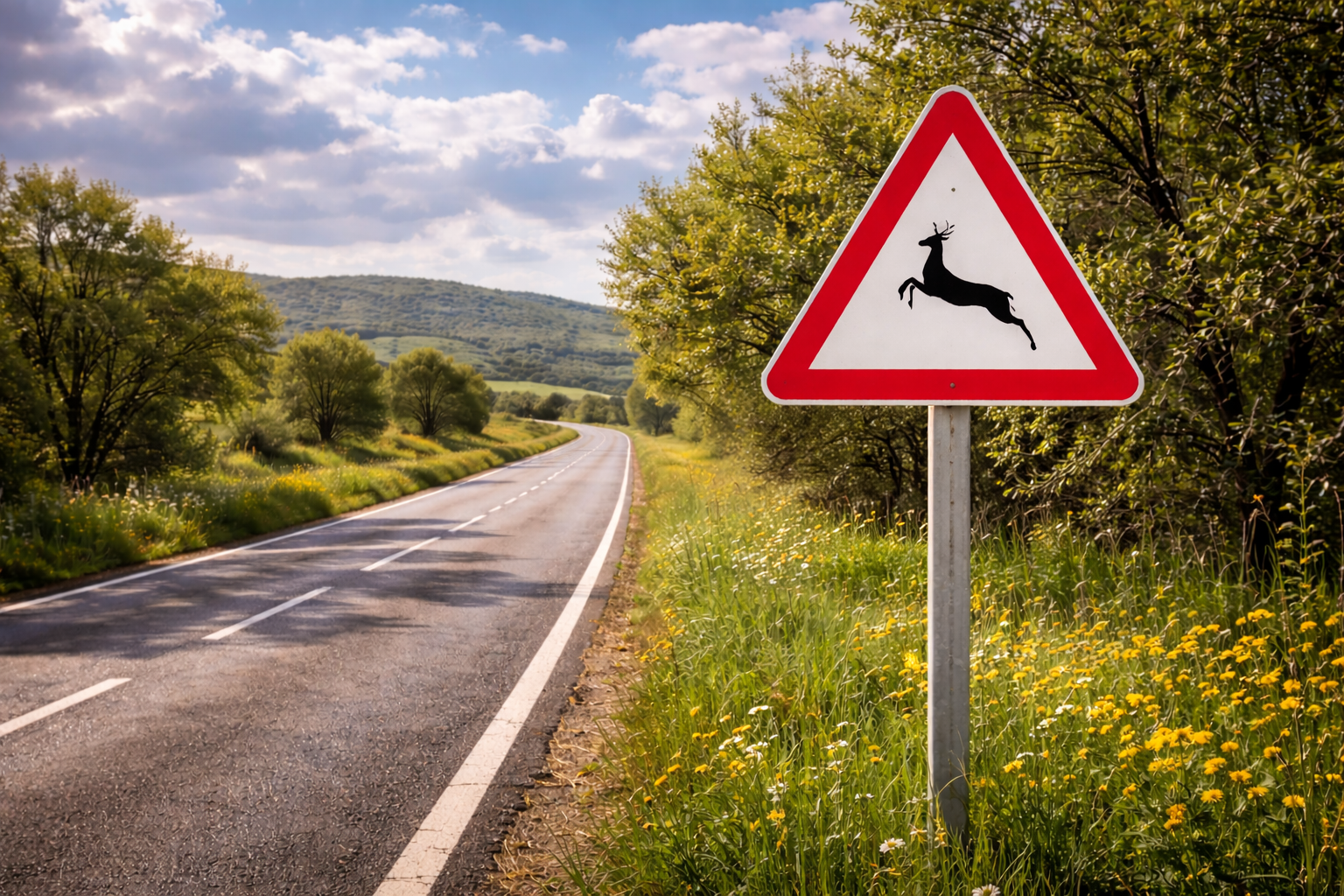
Heed Warning Signs
Animal warning signs are placed where collision history or environmental factors justify them. They are not decorative.
When approaching such signs, drivers should reduce speed slightly, increase scanning of road edges, and be prepared to brake progressively if necessary.
Avoid Sudden Swerving
If an animal appears in the road:
- brake firmly but maintain control,
- avoid sudden swerving into oncoming traffic or roadside obstacles,
- expect additional animals nearby.
Maintaining vehicle stability is always the priority.
Shared Space Requires Awareness
Wildlife does not recognise road boundaries. Roads cut through natural habitats, and seasonal changes increase interaction.
Spring driving requires adaptation. Recognising that animal behaviour shifts at this time of year helps drivers anticipate rather than react.
A little caution in rural areas during March can prevent damage, injury, and distress — for both drivers and wildlife.
Discover more from N332.es - Driving In Spain
Subscribe to get the latest posts sent to your email.

You must be logged in to post a comment.