Spain’s national driving school confederation, CNAE, has urged the Dirección General de Tráfico (DGT) and public authorities to introduce mandatory theoretical and practical training for electric scooter riders. Prompted by the latest annual report from the Fiscalía General del Estado, which revealed more than 60,000 drug driving proceedings in 2025 alongside persistent scooter offences, the organisation stresses that preventative education must take precedence over fines to reduce casualties on Spanish roads.
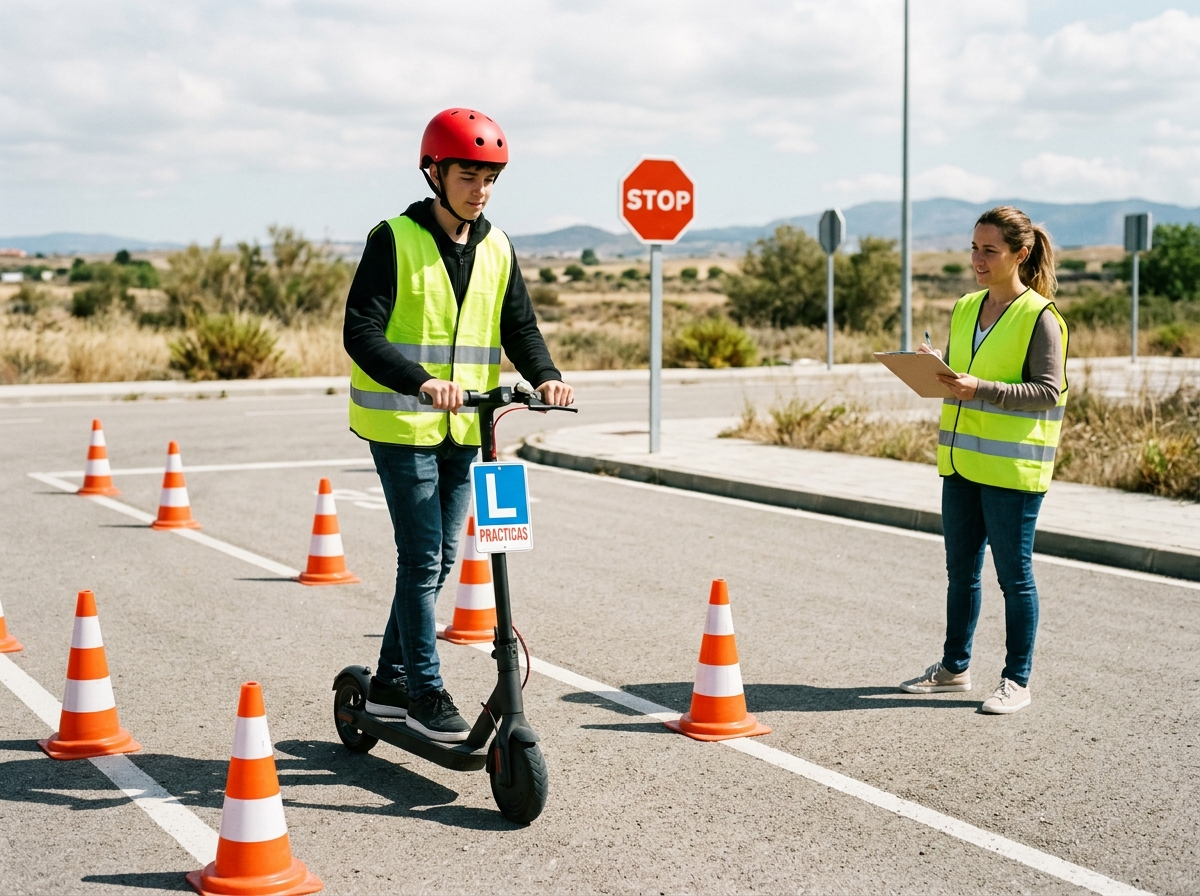
The Confederación Nacional de Autoescuelas (CNAE) has formally called for the introduction of regulated training for drivers of personal mobility vehicles (VMP), including electric scooters, as well as the immediate rollout of road safety awareness modules for future motorists.
This initiative follows the publication of the 2025 annual report from the Fiscalía General del Estado. In the report, the public prosecutor highlighted an alarming and progressive increase in sanctions related to drug driving, whilst also warning about the rising casualty and accident rates linked to personal mobility vehicles across Spain.
According to CNAE, public authorities must shift towards proactive education rather than relying solely on surveillance and punitive fines. The driving school confederation pointed out that the Fiscalía itself advocates for preventative and educational solutions as the primary route to improving road safety.
The public prosecution service drew attention to the vulnerability of scooter users on public roads, pointing out that riders accumulate a substantial volume of administrative sanctions. Common offences include riding on pavements, wearing headphones, and using mobile phones while operating their vehicles.
To tackle this, CNAE maintains that access to personal mobility vehicles must require prior theoretical and practical instruction. The organisation argues that the widespread presence of these vehicles requires riders to understand traffic regulations thoroughly and possess a realistic perception of risk before sharing road space with pedestrians and other vehicles.
CNAE has also raised serious concerns regarding the 60,492 administrative proceedings processed for drug driving during 2025, a trend the Fiscalía suspects could reflect a shift in consumption patterns from alcohol to other substances.
In response, driving schools want authorities to activate the road safety awareness modules already contemplated under Spanish legislation for individuals acquiring their driving licence. CNAE suggests using the existing points-recovery courses as a template, noting that many participants who regain their licence frequently ask why such vital risk awareness was not taught before they started driving.
Reaffirming its commitment to the objective of zero road casualties, CNAE has offered its full collaboration to the Dirección General de Tráfico (DGT) and other relevant administrations to implement these educational programmes without delay.
Discover more from N332.es - Driving In Spain
Subscribe to get the latest posts sent to your email.