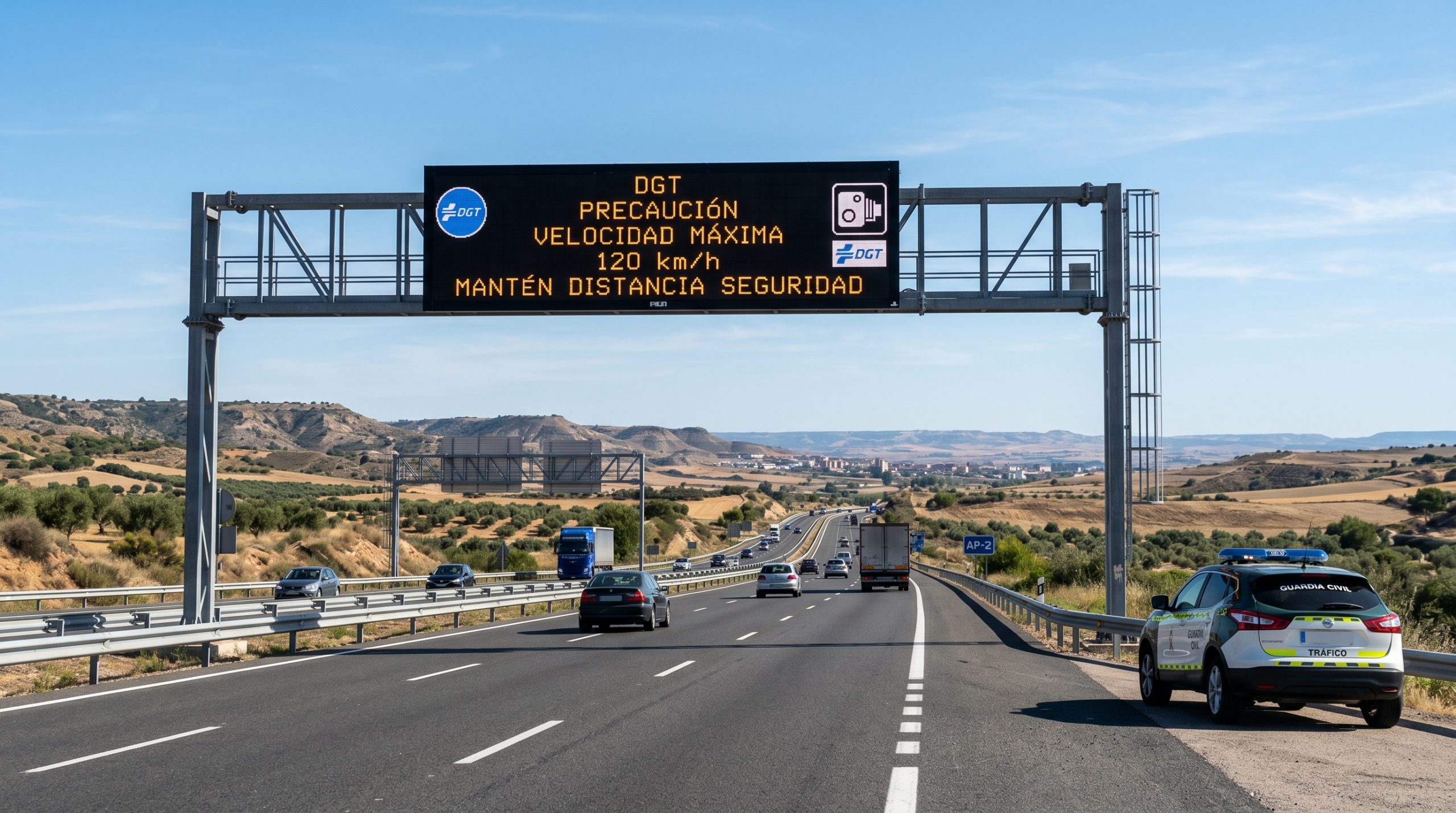

Spain’s roads have experienced a highly unusual start to the year. According to the latest provisional data released by the Directorate-General for Traffic (DGT), road fatalities across the country saw an unprecedented 22% drop during the first quarter of the year.
As we cross into late May and edge closer to the busy summer season, the cumulative statistics show that while national road deaths are still tracking around 16% lower than last year, the early-year safety cushion is beginning to steady out.
For those of us living and driving in the Valencian Community, the regional picture reflects a similar positive trend. To date, our region has recorded 33 road fatalities on interurban routes compared to 42 during the same period last year.
While these numbers represent real lives saved, traffic authorities are warning against complacency as it also shows the lives lost, and the figures come just before millions of foreign and domestic holidaymakers prepare to hit the coast.
Contents
The “Easter Trip-Up” and Secondary Road Risk
The early-year data proved that a massive 4% increase in long-distance traffic doesn’t automatically mean more collisions. However, the Semana Santa period served as a stark reminder of how fragile safety progress can be. During that single holiday window, 30 people lost their lives—an increase of three compared to the previous year.
When we look deeper into the mechanics of these incidents, one factor stands out above all else: the secondary road network. Nine out of ten fatal Easter collisions occurred on these single-carriageway routes. Head-on collisions and side-impacts at rural intersections remain highly lethal, usually occurring on familiar stretches of road where driver focus naturally dips.
Why We are Running Off the Road
The DGT’s latest technical updates highlight that run-off-road accidents remain the most common and fatal accident type on Spanish highways, resulting in roughly 500 deaths annually.
A common misconception is that these accidents are exclusively caused by excessive speed or mechanical failure. In reality, the DGT’s diagnostic data shows that there are more top triggers that are completely within human control:
- The Mobile Phone Blind Spot: Checking a messaging app at 120 km/h means traveling blindly for the length of a football pitch.
- Incipient Fatigue: Microsleep precursors that delay driver braking responses by up to three critical seconds.
- Misjudged Overtaking: Impatience on two-lane conventional routes leading to panic steering corrections.
The Takeaway for the Summer Surge
As we look toward the peak summer months, the DGT is intensifying its surveillance network, deploying increased overhead gantry tracking systems alongside camouflaged vehicles. The focus isn’t just on speed; it is heavily fixed on mobile phone use, seatbelt compliance, and pedestrian vulnerability, as well as compliance with STOP signs and markings, where STOP means STOP!.
The data proves that targeted policing and public awareness can successfully drive down fatalities. However, keeping those numbers down through the summer heat depends entirely on individual driver choices. Keep your eyes on the road, plan frequent rest stops, and treat secondary routes with the absolute respect they require.
Discover more from N332.es - Driving In Spain
Subscribe to get the latest posts sent to your email.