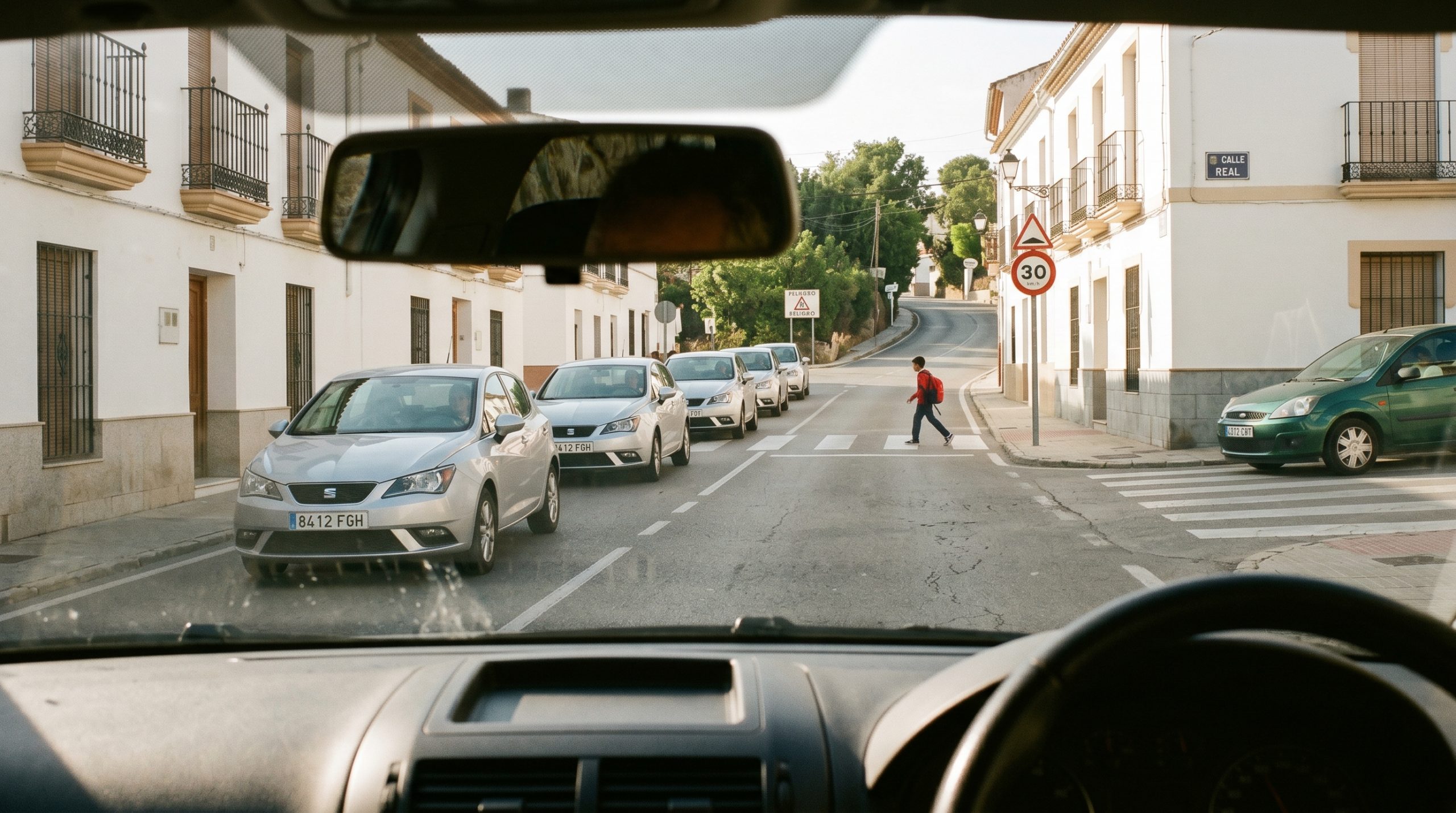

Most people using the roads understand the basic rules of safety. Drivers know speeding is dangerous. Riders understand the importance of protective equipment. Cyclists recognise the risks of distraction. Pedestrians are aware they should cross carefully.
Yet despite this knowledge, risky behaviour still happens every day.
Why?
Part of the answer lies in human psychology.
People naturally become comfortable with familiar situations. The more often we complete a journey safely, the more normal and predictable that journey begins to feel. Over time, the brain stops treating the activity as something requiring full attention and gradually shifts into a more automatic mode.
This process is useful in many areas of life. Experience allows people to complete tasks efficiently without consciously analysing every detail. But on the roads, familiarity can also create complacency.
A rider who has travelled hundreds of short journeys without incident may eventually decide protective clothing feels unnecessary “just this once.” A driver who has glanced at their phone briefly many times without consequences may begin to underestimate the risk. A cyclist who regularly ignores a STOP marking without incident may start believing the rule is optional.
The problem is that risk does not disappear simply because previous journeys ended safely.
Human beings are also affected by optimism bias — the tendency to believe negative events are more likely to happen to other people than to ourselves. Most drivers consider themselves above average. Most riders believe they are more careful than others. Most people assume serious collisions happen elsewhere, to somebody else.
Unfortunately, collisions are often created not by extreme recklessness, but by small reductions in attention, small assumptions, and small moments of overconfidence.
Modern roads increase these pressures further. Navigation systems, smartphones, delivery deadlines, notifications, busy urban environments, and constant distractions all compete for human attention. Cognitive overload can affect even experienced road users without them fully realising it.
This is why road safety campaigns increasingly focus not only on rules, but also on behaviour and decision-making.
The safest road users are not necessarily the most confident. Often, they are the people who remain aware of their own limitations. They recognise that experience does not remove risk, and that routine journeys still require concentration and caution.
Importantly, this applies to every type of road user. Drivers, motorcyclists, scooter riders, cyclists, and pedestrians can all fall into patterns of complacency.
Road safety is not about living in fear of danger. It is about understanding that human beings are imperfect, easily distracted, and sometimes overconfident without intending to be.
Because the most dangerous thought on any road is often the quiet belief that nothing will go wrong today.
Discover more from N332.es - Driving In Spain
Subscribe to get the latest posts sent to your email.