

The arrival of the V-16 emergency beacon has brought with it a predictable wave of online debate. Some of it is useful. Some of it is not. One of the most common claims now circulating online is that V-16 beacons are “not visible enough”, often supported by dashcam footage where the light appears weak, intermittent, or almost invisible.
At first glance, the videos can look convincing.
The problem is that cameras do not see the world the same way humans do.
This is not a matter of opinion or marketing. It is a well understood characteristic of digital imaging systems, LED lighting, and frame synchronisation. In simple terms, a video recording can dramatically misrepresent how bright and noticeable a flashing LED warning light really was to drivers at the scene.
Most modern V-16 beacons use high intensity LED technology. Unlike older filament bulbs, LEDs can pulse extremely quickly and very efficiently. To the human eye, these flashes appear bright, sharp, and attention-grabbing. Our eyes and brain effectively blend the flashes together through what is known as persistence of vision.
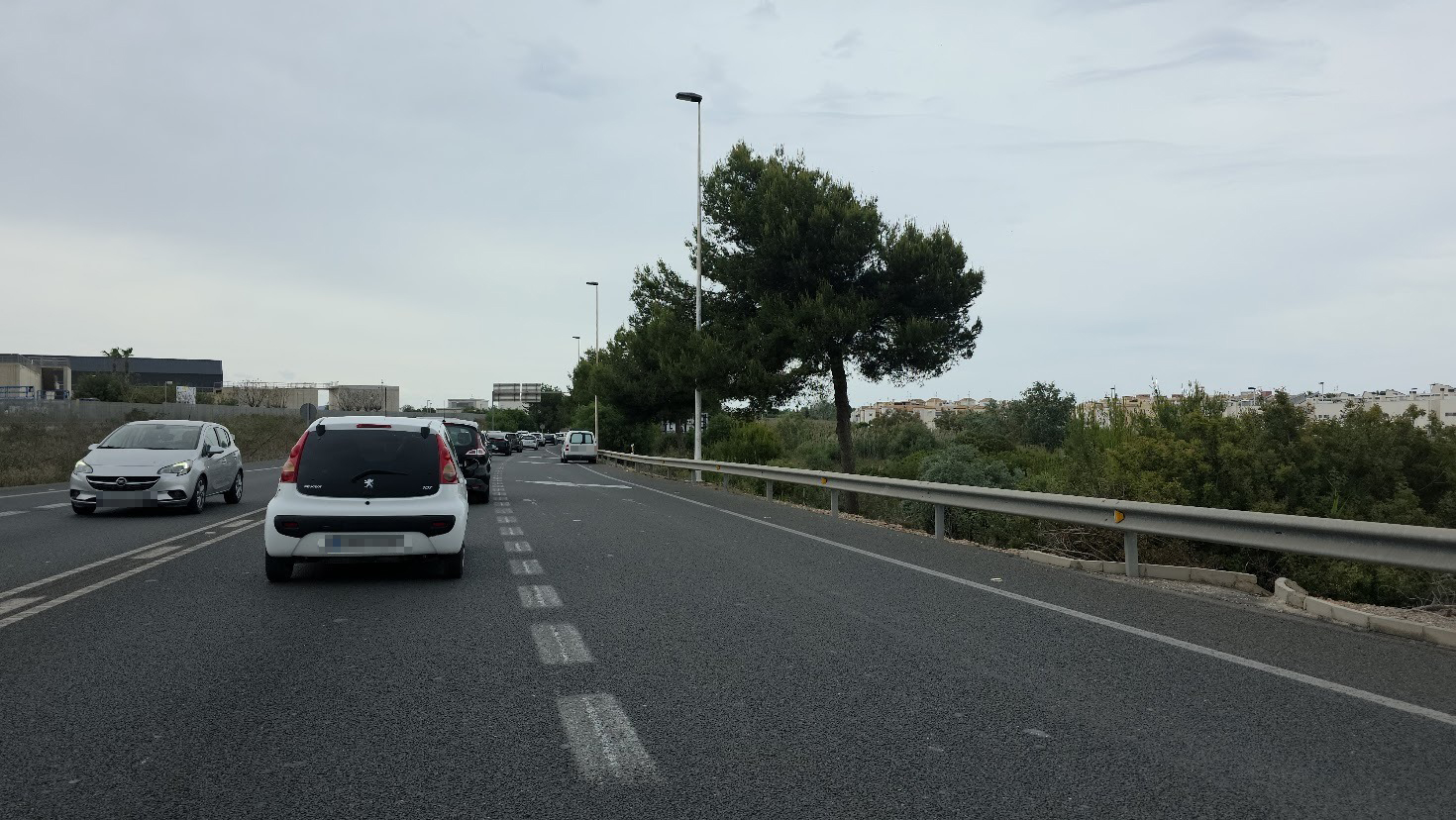
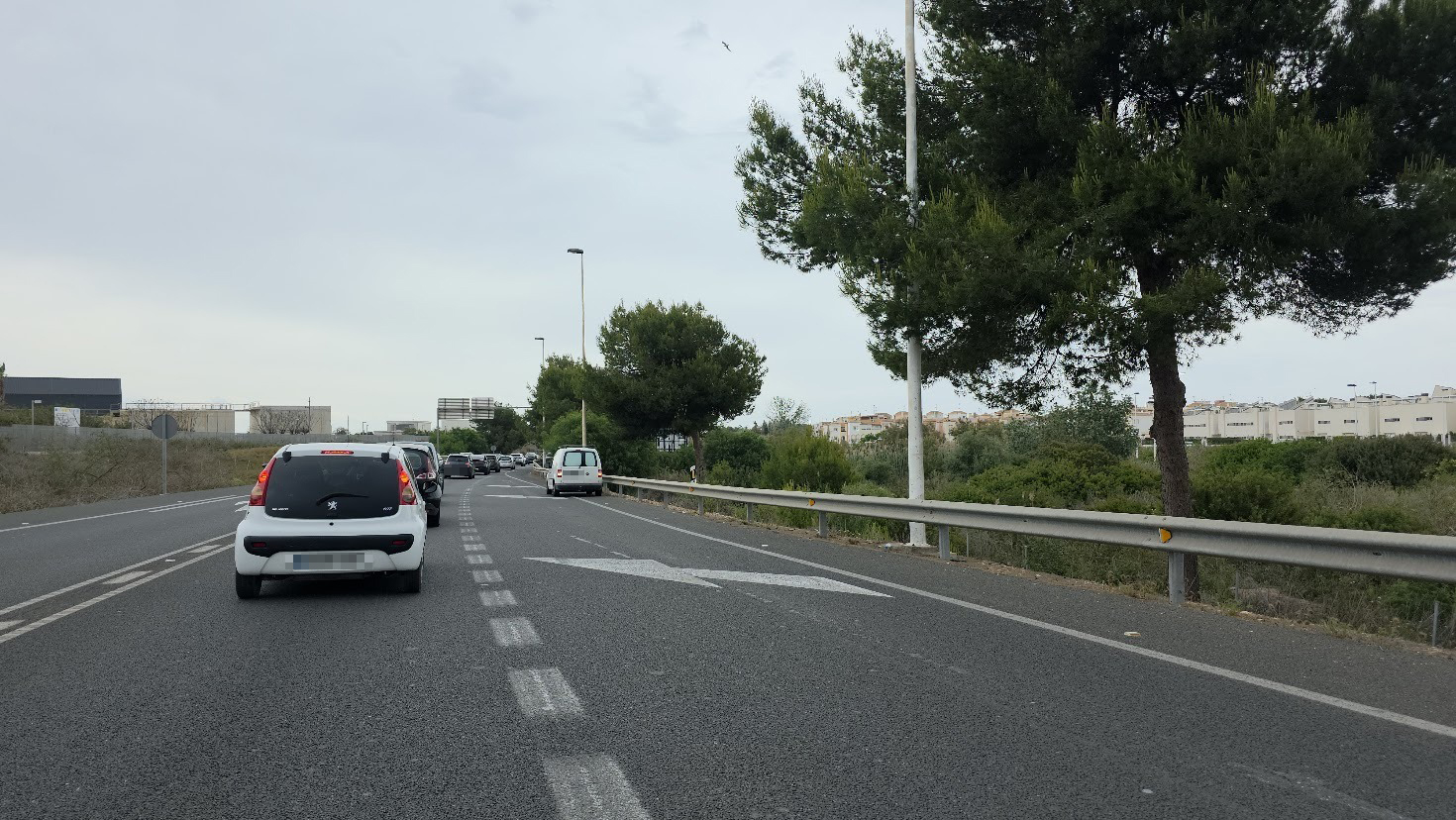
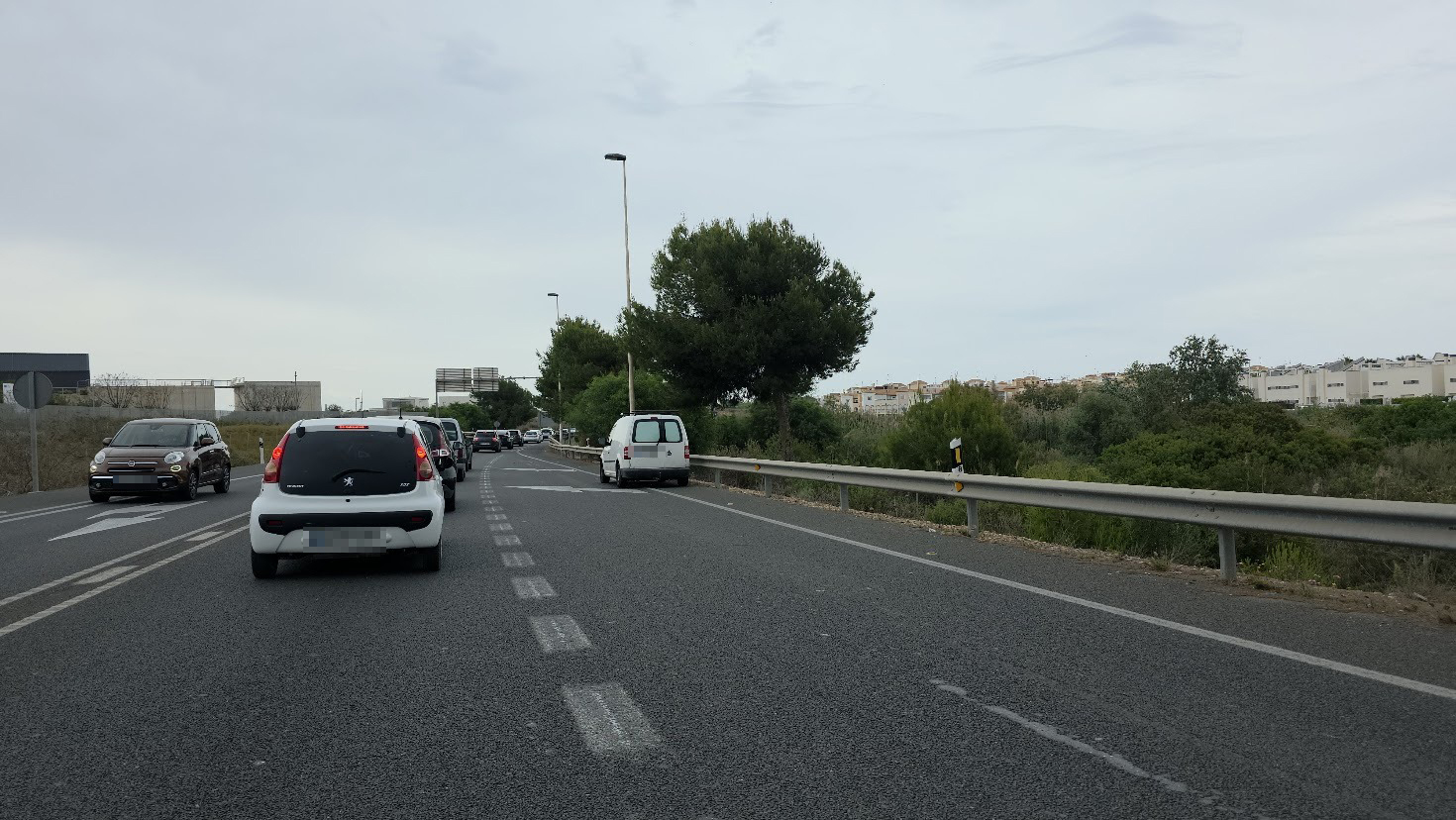
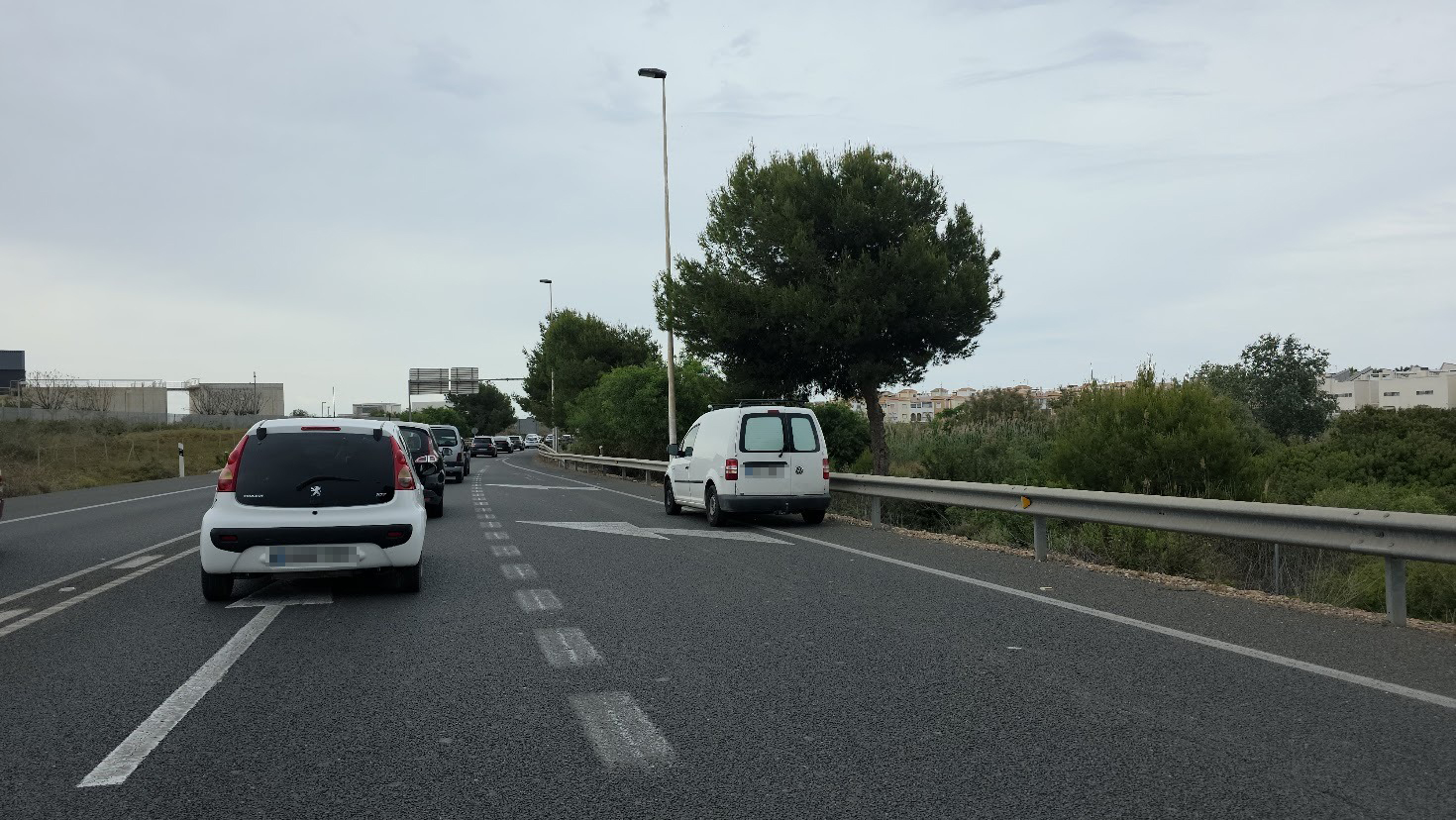
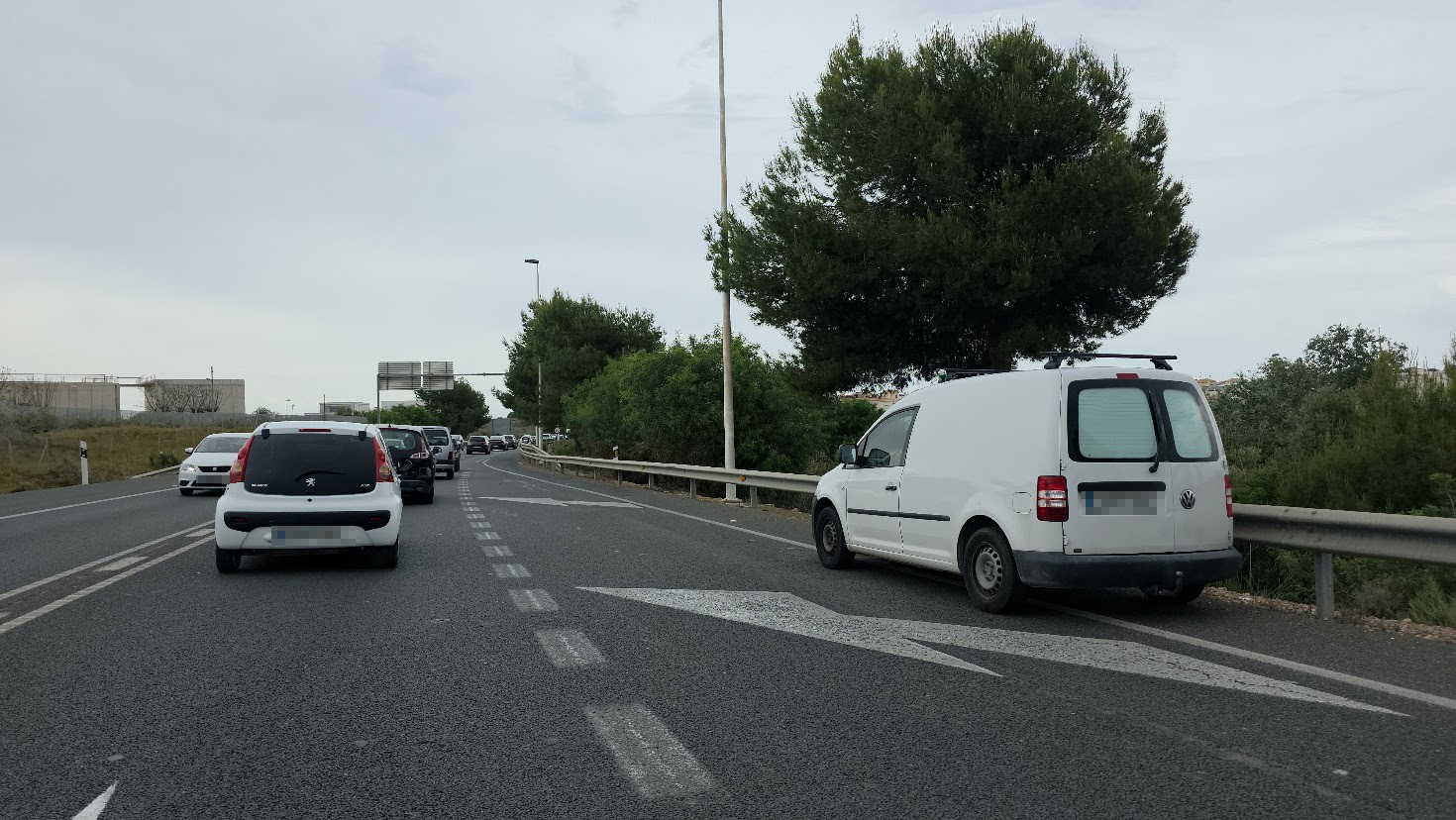
Despite what the pictures above show, the flashing V-16 was clearly visible to drivers, not forgetting the connected element which made it visible from much further away via connected devices.
A camera works differently
Dashcams record the world as a series of individual frames. Each frame is captured for only a tiny fraction of a second. If the timing of the beacon’s flash happens to fall between those exposures, or only partly overlaps with them, the camera may record only a fraction of the light output.
This creates a phenomenon known as aliasing, closely related to the reason helicopter blades can sometimes appear stationary on video despite rotating at high speed.
The result is simple:
the beacon may have been highly visible in real life while appearing weak on camera.
There are several technical reasons why this happens.
First, many LED warning lights use pulse-width modulation or rapid strobing. This improves brightness efficiency while reducing heat and power consumption. Human vision handles this very well. Cameras often do not.
Moreover, because the strobing is often caught in the peripheral vision of the human eye, the brain is better tuned to pick that image out from the surroundings, unlike a static, though reflective triangle.
Second, dashcams frequently use very short exposure times during daylight conditions. A bright sunny scene forces the camera to reduce exposure to avoid overexposing the image. That means the sensor may only “see” the LED flash for a tiny instant.
Third, most dashcams use rolling shutter sensors. Rather than capturing the entire image at once, the sensor scans the frame line by line. Fast flashing LEDs can therefore appear distorted, incomplete, banded, or missing entirely.
This is not unique to V-16 beacons. The same effect can often be seen with:
- emergency vehicle lights,
- LED traffic signals,
- modern vehicle headlights,
- aircraft anti-collision strobes,
- illuminated signs,
- television screens.
In other words, video recordings are not always reliable evidence of real-world visibility.
That does not mean every V-16 beacon is perfect. Visibility can still vary between models, weather conditions, placement, battery condition, and surrounding traffic environment. Legitimate discussion about standards and effectiveness is important.
However, using a dashcam clip alone as “proof” that the device was invisible is scientifically weak.
In many cases, the camera may simply have failed to capture what human drivers could clearly see.
This matters because road safety discussions increasingly take place online, where short video clips are often treated as unquestionable evidence. Once a belief forms, confirmation bias can take over. People begin noticing and sharing only the examples that support the conclusion they already want to reach.
The irony is that a device specifically designed to improve roadside safety can end up being judged by technology that may not accurately record its performance.
The better question is not:
“What did the camera see?”
The better question is:
“What could real drivers see in real conditions?”
That is the difference.
Discover more from N332.es - Driving In Spain
Subscribe to get the latest posts sent to your email.

You must be logged in to post a comment.