

Over the last decade, modern engineering has transformed car cabins into whisper-quiet, heavily armoured cocoons that protect drivers better than ever, yet overall road casualty reductions have ground to a frustrating plateau. While passenger vehicles have not doubled in weight as commonly believed, the average new car has gained hundreds of kilos—with electric models and SUVs comfortably crossing the two-tonne mark. When paired with tall, blunt front grilles, wide roof pillars, and silent urban powertrains, this added mass externalises risk onto those outside the vehicle, leaving vulnerable road users like pedestrians, teenagers, and children to absorb the consequences of our quest for internal protection.
Contents
The Fortress on Wheels
Step inside a newly registered passenger car today, and the engineering achievements are undeniable. Thick acoustic glass insulates the cabin from the outside world, multiple airbags surround every seat, reinforced steel safety cages protect against rollovers, and intelligent software monitors your lane position.
Drivers have never been better protected. Elevated driving positions, climate-controlled comfort, and touchscreen dashboards create the distinct sensation of relaxing in a domestic living room rather than hurtling down the road in heavy machinery. This cocoon effect naturally dulls our perception of speed, mass, and external danger. When you feel invulnerable inside a vehicle, it is easy to forget the mechanical realities unfolding just outside the glass.
Separating Perception from Fact on Vehicle Weight
There is a widespread impression on the roads today that cars have doubled in weight—that a decade ago vehicles weighed roughly a tonne, and today they universally weigh two. The reality is more nuanced, though the trend is clear.
A decade ago, the average new passenger car across Europe weighed approximately 1,350 to 1,400 kg. A sub-tonne vehicle was already an exception, largely limited to basic superminis and city runabouts. Today, the average newly registered car sits between 1,550 and 1,650 kg.
While the average car has not reached two tonnes, the upper end of the scale certainly has. The relentless market shift towards sport utility vehicles (SUVs) and the rapid adoption of electric vehicles—carrying heavy traction battery packs beneath the floor—means that everyday family transport regularly tips the scales between 1,800 and 2,200 kg. A decade ago, that kind of mass was reserved for commercial vans or heavy industrial haulage.
The Physics of the Impact
This growth in mass would be concerning enough on its own, but it has coincided with a radical shift in vehicle geometry.
In basic physics, kinetic energy scales directly with mass (). A 1,400 kg hatchback travelling at 50 km/h carries roughly 135 kilojoules of kinetic energy. A 1,900 kg electric crossover travelling at the exact same speed carries approximately 183 kilojoules—a jump of more than 35 percent in energy that must be dissipated during a collision.
Where that energy lands matters just as much as how much exists:
- The Traditional Hatchback Profile: Lower, sloping bonnet lines historically struck adult pedestrians around the shins or knees, scooping the body upwards onto deformable bonnets and laminated windscreens designed to absorb energy.
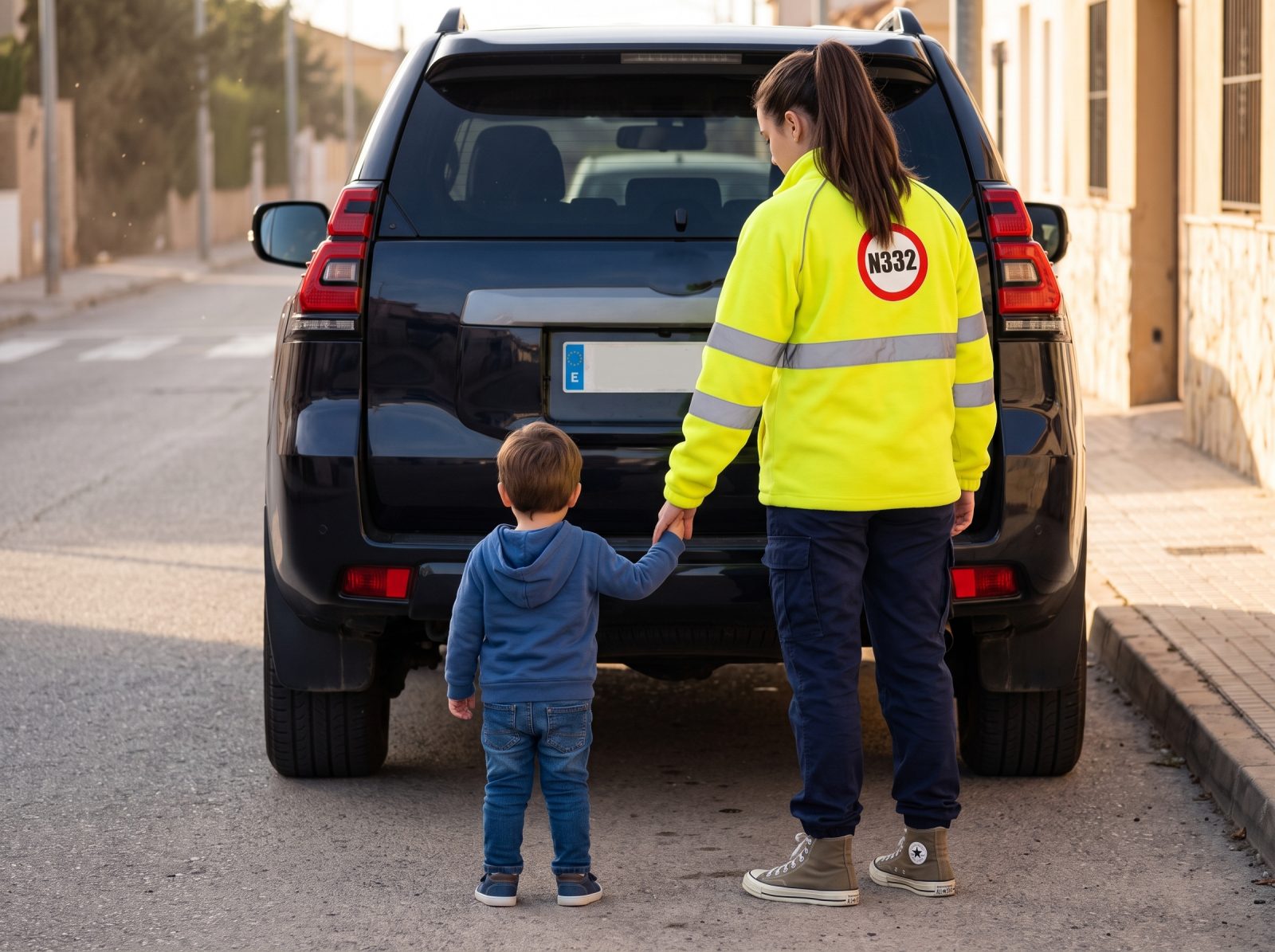
- The Modern Frontal Profile: High, vertical front grilles—often standing 1.0 to 1.2 metres off the tarmac—strike the human body directly at the pelvis, abdomen, or chest. Instead of rolling onto a surface that crumples, the pedestrian absorbs the full blunt trauma and is far more likely to be propelled forward onto the road surface or dragged beneath the wheels.
The Most Vulnerable in the Crosshairs
This design shift disproportionately threatens our most vulnerable road users, particularly children and teenagers.
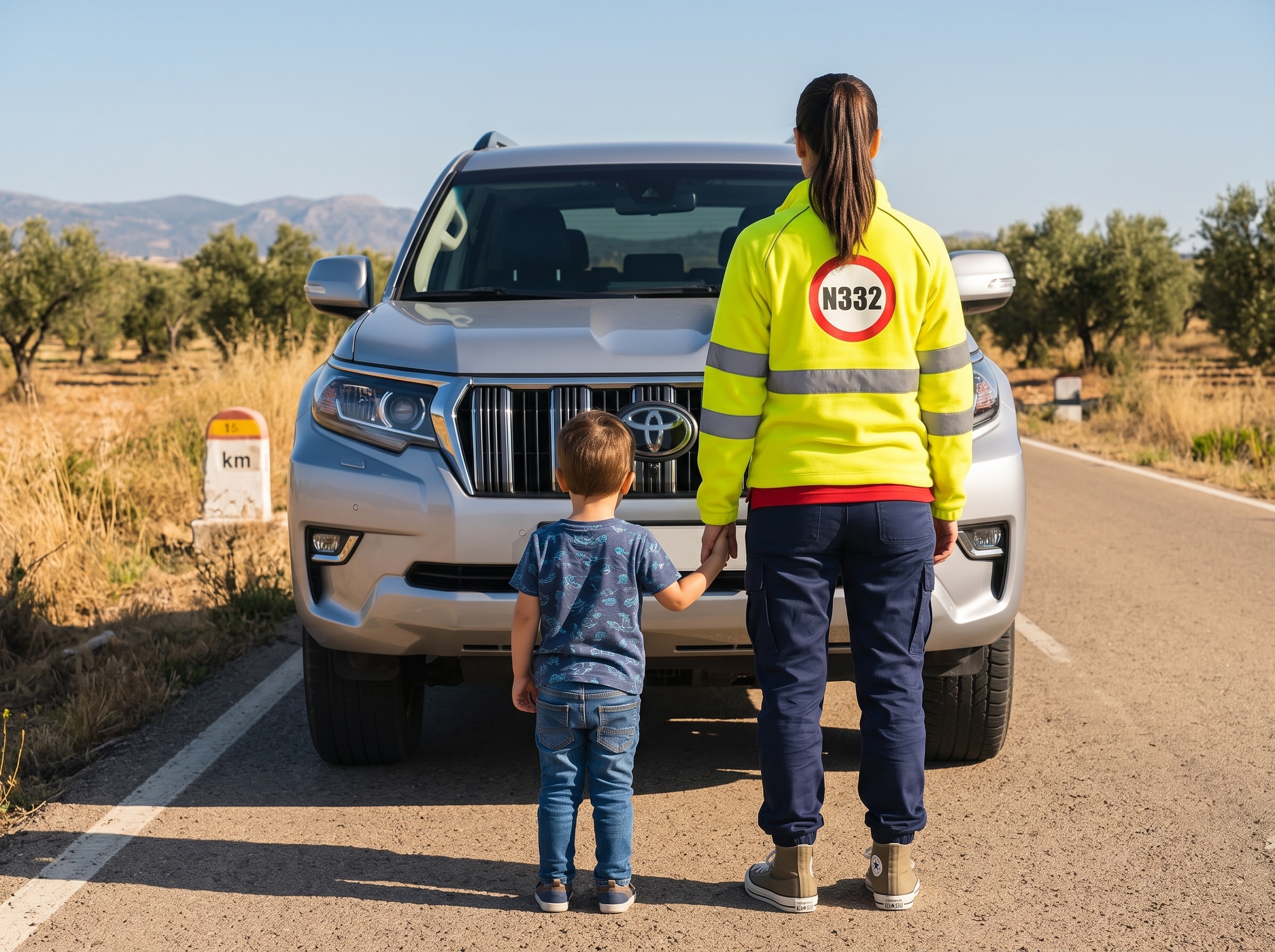
A high bonnet line that strikes an adult at hip level strikes a young child directly in the cranium or thoracic spine. Furthermore, these elevated profiles dramatically expand the “front blind zone,” leaving a substantial blind spot several metres ahead of the front bumper where small children crossing the road simply vanish from a seated driver’s line of sight.
For teenagers, the transition to secondary school and independent travel brings an alarming, well-documented spike in pedestrian casualties. At that age, individuals are walking to school in groups, navigating traffic with headphones or mobile phones, and stepping into an urban environment where heavier hybrid and electric cars are virtually silent at speeds under 30 km/h. While a teenager might appear physically grown, their mass is negligible against a 1.8-tonne SUV. A momentary lapse in attention that might have resulted in bruised limbs a decade ago now carries the risk of catastrophic, life-altering pelvic or internal trauma.
Breaking the Plateau
Across Europe, decades of steady declines in road casualties have hit a persistent plateau. Fatalities among vehicle occupants have fallen thanks to brilliant internal safety systems, but the stubborn figures remaining on our collision reports are heavily driven by pedestrians, cyclists, and scooter users.
We have spent fifteen years engineering the cabin to be as forgiving as possible for those inside, but the unintended consequence of that armour has made the outside environment far less forgiving for everyone else.
Recognising this paradox is not about discouraging safer cars or abandoning modern technology; it is about driving with a renewed sense of mechanical reality. When sitting behind the wheel of a heavy modern vehicle, awareness cannot end at the windscreen. The quieter, heavier, and taller our cars become, the greater our responsibility to look past the comfort of the cabin and protect those who have no armour at all.
Discover more from N332.es - Driving In Spain
Subscribe to get the latest posts sent to your email.

You must be logged in to post a comment.